How to Boost Metabolism After Menopause: Proven Natural Methods
Boost metabolism after menopause naturally with strength training, protein timing, sleep, and metabolic support strategies backed by science.
You can boost metabolism after menopause naturally through a combination of resistance training, targeted protein intake, quality sleep, and metabolic support strategies that address the hormonal shifts driving age-related slowdown. These methods work by rebuilding lean muscle, stabilizing blood sugar, and supporting the hormonal pathways — including GLP-1 and GIP — that regulate appetite and fat storage. Below is an evidence-based breakdown of why metabolism changes at this stage of life and exactly what to do about it.
- Declining estrogen and muscle loss are the primary reasons resting metabolic rate drops after menopause.
- Strength training two to three times per week is the most effective natural method to rebuild metabolically active tissue.
- Protein intake of 25–30 grams per meal supports muscle repair and helps control appetite.
- Sleep quality, stress management, and gut health directly influence GLP-1 and GIP signaling.
- Natural supplements formulated for women over 50, such as BurnJaro, may complement — not replace — these lifestyle changes.
What Is Metabolism and Why It Changes After Menopause
Metabolism is the sum of chemical processes your body uses to convert food into energy, measured largely through your resting metabolic rate (RMR) — the calories burned at complete rest. After menopause, RMR typically declines because muscle tissue, which burns more calories than fat even at rest, is progressively lost.
This is not simply a matter of aging in isolation. The drop in estrogen that defines menopause accelerates muscle loss and encourages fat to redistribute toward the abdomen, according to information published by the National Institute on Aging (2023).
Why Does Metabolism Slow Down After Menopause?
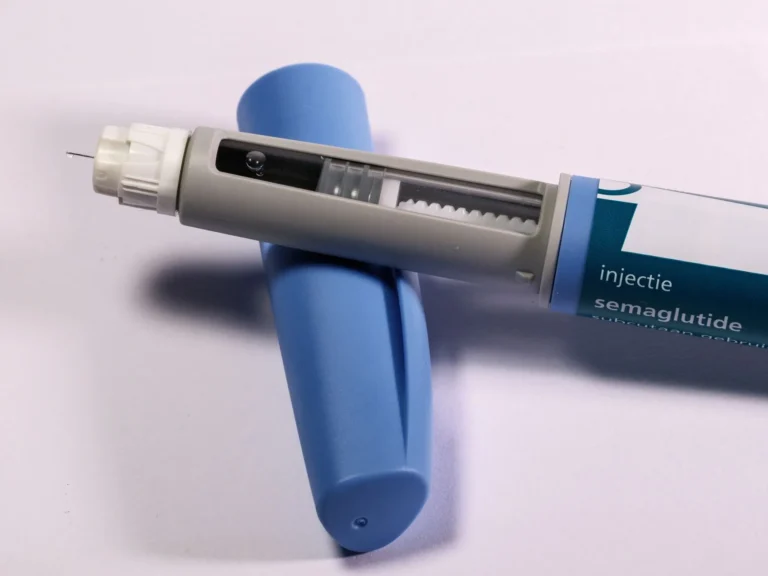
The main driver behind a slower metabolism is falling estrogen, which accelerates lean muscle loss, increases insulin resistance, and shifts fat storage toward the midsection. This hormonal shift also affects appetite-regulating pathways, including GLP-1 (glucagon-like peptide-1) and GIP (glucose-dependent insulinotropic polypeptide), the two gut hormones responsible for signaling fullness and regulating blood sugar.
GLP-1 is a hormone released by the gut after eating that slows digestion and signals satiety to the brain. GIP works alongside it to improve insulin sensitivity and support fat metabolism. When estrogen drops, the sensitivity of these pathways can weaken, which partly explains why appetite and cravings often increase during and after the menopause transition, as outlined by the Mayo Clinic (2022).
This hormonal cascade is one reason many women notice weight gain even without changing their eating habits — a pattern explored in more detail in our guide on why women gain weight after 50.
Proven Natural Methods to Boost Metabolism After Menopause
The most effective natural approach combines resistance training, protein optimization, sleep quality, stress management, and gut-hormone support. Each of these levers targets a different part of the metabolic slowdown, and they work best when applied together rather than in isolation.
Prioritize Resistance and Strength Training
Strength training is the single most effective natural method to increase metabolism after 50 because it directly rebuilds the muscle tissue lost during menopause. Aim for two to three sessions per week covering major muscle groups — legs, back, chest, and core.
Research summarized by Harvard Health Publishing (2023) confirms that resistance exercise preserves and even rebuilds lean mass in older adults, which raises resting energy expenditure over time. Even light resistance bands or bodyweight routines produce measurable benefits when done consistently.
Optimize Protein Intake Throughout the Day
Spreading 25 to 30 grams of protein across each meal supports muscle protein synthesis and reduces the muscle breakdown that accelerates after menopause. This approach also naturally supports appetite control, which is relevant for women exploring natural appetite suppressants for women over 50.
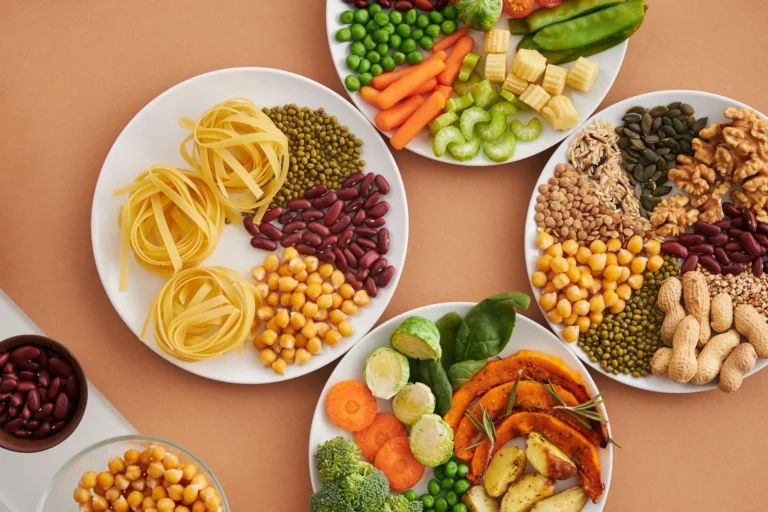
Good sources include eggs, fish, poultry, legumes, and Greek yogurt. Distributing protein evenly, rather than concentrating it at dinner, appears more effective for muscle retention.
Improve Sleep Quality and Circadian Rhythm
Poor sleep raises cortisol and disrupts the hormones that regulate hunger and blood sugar, working directly against metabolic recovery. Adults should target seven to nine hours of consistent, uninterrupted sleep per night.
Simple changes — a consistent bedtime, reduced screen exposure before bed, and a cool bedroom — can meaningfully improve sleep quality during the menopause transition, when hot flashes often interfere with rest.
Manage Stress and Cortisol Levels
Chronic stress keeps cortisol elevated, which promotes abdominal fat storage and worsens insulin resistance. Daily stress-reduction practices — brief walks, breathing exercises, or short mindfulness sessions — help lower cortisol and support healthier blood sugar regulation.
Support Gut Health and Natural GLP-1/GIP Pathways
Gut health plays a direct role in how efficiently your body produces and uses GLP-1 and GIP, the hormones central to appetite regulation and metabolic health. Fiber-rich foods, fermented foods, and adequate hydration all support the gut environment where these hormones are produced.
This is also the mechanism behind viral wellness trends such as the Pink Salt Trick, popularized in media coverage referencing Oprah, which claims to support metabolic function through mineral and hydration balance. While such trends generate interest, the underlying science points more clearly to consistent lifestyle habits and, when appropriate, formulated natural GLP-1 support without prescription medications.
“Metabolic dysfunction is really the root cause of the majority of the chronic di