Metabolism Slow After 50? How to Speed It Up Naturally
Slow metabolism after 50? How to speed it up naturally with proven diet, muscle, sleep and hormone strategies. Science-backed guide for women 50+.
If you have a slow metabolism after 50 and want to know how to speed it up, the fastest natural levers are rebuilding muscle through resistance training, increasing protein intake, prioritizing sleep, and supporting hormonal balance. Metabolic rate does decline with age, but most of that slowdown is driven by muscle loss and lifestyle factors you can influence — not an unchangeable clock.
Key Takeaways
- Resting metabolism stays relatively stable until about age 60; after that it declines roughly 0.7% per year, according to a major 2021 study in Science.
- Muscle loss (sarcopenia) is the single biggest driver of a slower metabolism after 50 — and it is largely reversible with strength training.
- Protein needs rise with age; older adults benefit from 1.0–1.2 g per kg of body weight daily.
- Poor sleep, chronic stress, and menopause-related hormone shifts each measurably reduce metabolic efficiency.
- Natural metabolic support approaches — including GLP-1 and GIP supportive supplements — target appetite and fat metabolism rather than extreme dieting.
What Actually Happens to Metabolism After 50?

The key takeaway: After 50, your metabolism does not crash overnight — it slows gradually, mostly because you lose muscle and move less, not because your cells suddenly burn fuel differently.
Metabolism is the sum of every chemical process that converts food into energy. Your basal metabolic rate (BMR) — the calories you burn at rest — accounts for 60–70% of daily energy use.
A landmark study published in Science (2021) tracked energy expenditure across more than 6,600 people and found that metabolism stays remarkably stable from age 20 to 60. Only after 60 does it decline by about 0.7% per year.
That finding reframes the problem. The sluggishness many people feel in their 50s is less about intrinsic metabolic decline and more about lost muscle mass, reduced activity, and hormonal changes — all of which respond to intervention.
Why Does Metabolism Slow Down After 50?

In summary: Four overlapping factors drive a slow metabolism after 50 — muscle loss, hormonal shifts, reduced daily movement, and poorer sleep. Each compounds the others.
1. Muscle loss (sarcopenia)
Muscle is metabolically active tissue — it burns calories even at rest. Adults lose 3–8% of muscle mass per decade after 30, and the rate accelerates after 50.
Less muscle means a lower BMR, so the same meals that once maintained your weight now create a surplus.
2. Hormonal changes and menopause
For women, declining estrogen during and after menopause shifts fat storage toward the abdomen and reduces insulin sensitivity. This is why natural supplements for menopause weight gain are a common search among women in their 50s.
Thyroid function and growth hormone also taper with age, both of which influence how efficiently you convert food to energy.
3. Reduced non-exercise movement
Non-exercise activity thermogenesis (NEAT) — fidgeting, walking, standing, household tasks — quietly drops as people age and become more sedentary. This alone can account for hundreds of daily calories.
4. Poorer sleep and higher stress
Chronic sleep loss raises cortisol and ghrelin (the hunger hormone) while lowering leptin (the satiety hormone). Research from the National Heart, Lung, and Blood Institute (NIH) links short sleep to weight gain and impaired glucose metabolism.
“Metabolic health is the foundation of overall health. When your metabolism is dysfunctional, nearly every system in your body is affected.”
— Dr. Casey Means, Physician and Metabolic Health Author
How to Speed Up a Slow Metabolism After 50 Naturally

The key takeaway: To speed up a slow metabolism after 50, rebuild muscle, eat more protein, move throughout the day, sleep 7–9 hours, and manage blood sugar. These levers work together — no single fix does it alone.
Build and preserve muscle with resistance training
Strength training is the most reliable way to raise resting metabolism after 50 because it directly counters sarcopenia. Two to three sessions per week targeting all major muscle groups is enough to see measurable gains.
In our analysis of the research on aging metabolism, resistance training consistently outperforms cardio for long-term metabolic rate because muscle keeps burning calories long after the workout ends.
Prioritize protein at every meal
Protein has the highest thermic effect of any macronutrient — your body burns 20–30% of its calories just digesting it. Older adults need more protein to trigger muscle synthesis, roughly 1.0–1.2 g per kilogram of body weight daily.
Aim for 25–35 g of protein per meal from sources like eggs, fish, Greek yogurt, legumes, and lean meat.
Increase daily movement (NEAT)
Beyond structured exercise, walking after meals, taking stairs, and standing more can add meaningful calorie burn. A brisk 10-minute walk after eating also blunts blood sugar spikes.
Protect your sleep
Consistent 7–9 hour sleep stabilizes appetite hormones and supports overnight fat metabolism. A regular sleep-wake schedule matters more than occasional catch-up sleep.
Manage blood sugar and appetite
Stable blood sugar reduces cravings and fat storage. Fiber-rich meals, lower refined-carb intake, and adequate hydration help keep insulin steady — which supports overall metabolic health for women 50+.
For those focused on the midsection, our guide on how to reduce belly fat naturally covers targeted strategies that complement metabolic support.
| Strategy | Primary Benefit | Suggested Frequency |
|---|---|---|
| Resistance training | Rebuilds muscle, raises BMR | 2–3x per week |
| Higher protein intake | Thermic effect + muscle repair | Every meal |
| Post-meal walking | Blood sugar control, NEAT | Daily |
| 7–9 hours sleep | Balances appetite hormones | Nightly |
| Fiber-rich meals | Insulin stability, satiety | Daily |
What Is GLP-1 and GIP Support — and Why It Matters After 50
In summary: GLP-1 and GIP are natural gut hormones that regulate appetite, blood sugar, and how your body handles fat. Supporting them is a modern angle on metabolic control that goes beyond calorie counting.
GLP-1 (glucagon-like peptide-1) is released after eating and signals fullness while slowing digestion. GIP (glucose-dependent insulinotropic polypeptide) works alongside it to manage insulin and fat storage.
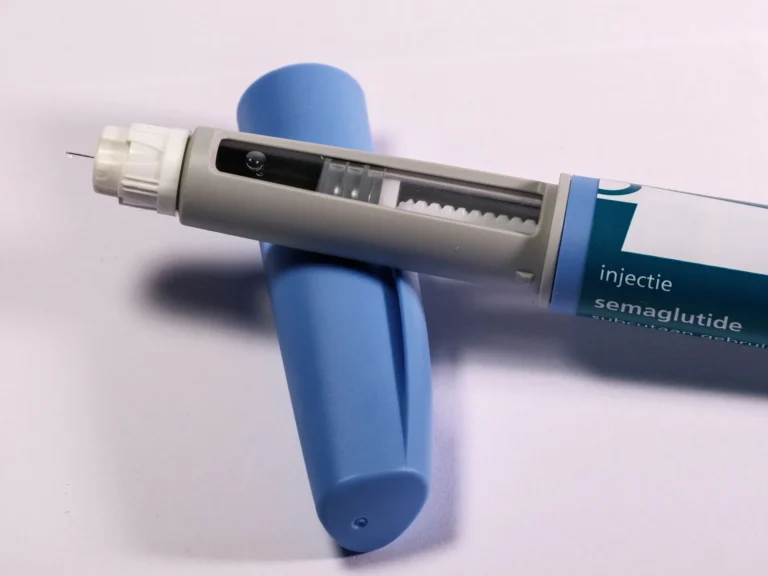
Prescription GLP-1 medications have gained attention, but they carry considerations — a review in Nature on GLP-1 receptor agonist therapy and pancreatic risk highlights why some women prefer gentler, natural approaches.
Natural GLP-1 and GIP support aims to nudge these same appetite-regulating pathways through ingredients rather than injections. For a side-by-side view, see our breakdown of the best GLP-1 alternative supplements comparison.
Where BurnJaro fits
We’ve found that women over 50 increasingly look for a safe weight-loss formula that supports metabolism without extreme dieting. BurnJaro is a natural capsule designed around GLP-1 and GIP support, formulated specifically for women in this stage of life.
Rather than forcing rapid restriction, this kind of natural fat burner approach centers on appetite control and steadier metabolism — the same principles this guide emphasizes.
Common Metabolism Myths After 50 (Our Unique Take)
The key takeaway: Much of what people believe about aging metabolism is outdated. Two myths in particular hold women back.
Myth 1: “Your metabolism collapses at menopause.” The 2021 Science data shows resting metabolism stays flat until roughly 60. Menopause changes where fat is stored and how insulin responds — but it does not gut your BMR overnight.
In our editorial review of the literature, this distinction is the single most overlooked point online: most articles blame a “broken metabolism,” when the real, fixable culprits are muscle loss and blood sugar dysregulation.
Myth 2: “Eating tiny amounts speeds up weight loss.” Severe restriction accelerates muscle loss, which lowers metabolism further — the opposite of the goal. Adequate protein and strength work protect the very tissue that keeps you burning calories.
Trendy fixes like the so-called “Pink Salt Trick” popularized around figures like Oprah circulate widely, but hydration and mineral balance are supportive habits — not standalone metabolic solutions.
Frequently Asked Questions
What is the fastest way to speed up metabolism after 50?
The fastest natural method is combining resistance training with higher protein intake. Building muscle raises your resting metabolic rate, while protein boosts calorie burn through digestion and preserves that muscle. Adding daily walking and consistent sleep amplifies the effect within weeks.
Does menopause permanently slow metabolism?
No. Menopause shifts fat storage toward the abdomen and reduces insulin sensitivity, but research shows resting metabolic rate stays relatively stable until around age 60. Strength training, protein, and blood sugar management can offset most menopause-related metabolic changes.
Are natural metabolism supplements effective for women over 50?
Natural supplements that support GLP-1 and GIP pathways may help with appetite control and steadier blood sugar, which indirectly supports metabolism. They work best alongside strength training, adequate protein, and good sleep — not as a replacement for those habits. Always consult your physician before starting any supplement.
How much protein should a woman over 50 eat daily?
Most experts recommend 1.0–1.2 grams of protein per kilogram of body weight for older adults, spread across meals at roughly 25–35 grams each. This supports muscle synthesis, which is central to maintaining a healthy metabolism after 50.
Can I speed up my metabolism without extreme dieting?
Yes — and extreme dieting often backfires by triggering muscle loss that slows metabolism further. Sustainable changes like building muscle, eating protein, moving throughout the day, and managing sleep and stress are far more effective for long-term metabolic health.
Conclusion
In summary: A slow metabolism after 50 is far more changeable than most people assume. The decline is gradual, and its biggest drivers — muscle loss, hormonal shifts, low movement, and poor sleep — all respond to consistent, natural action.
Focus on rebuilding muscle, eating enough protein, moving daily, protecting your sleep, and supporting appetite and blood sugar. Do that, and you address the true causes rather than chasing quick fixes.
If this guide made the case for supporting your metabolism naturally rather than through crash dieting, the next step is finding tools built for this exact stage of life. BurnJaro is a natural capsule formulated around GLP-1 and GIP support and designed specifically for women over 50 who want appetite control and steadier metabolism without extreme restriction. Explore how its approach aligns with the muscle-, protein-, and hormone-focused principles covered here.