How can I reduce belly fat naturally?
How to reduce belly fat naturally: science-backed diet, sleep, and movement strategies that target visceral fat without extreme measures.
How to reduce belly fat naturally comes down to a consistent combination of a whole-food diet, regular movement (especially strength training), quality sleep, and stress control. There is no single food or exercise that melts fat from one spot, but lowering your total body fat through these habits reliably shrinks the waistline over weeks and months.
Key Takeaways
- Spot reduction is a myth — you cannot burn belly fat directly; you lose it as part of overall fat loss.
- Protein and fiber are the two most reliable dietary levers for appetite control and a smaller waist.
- Strength training beats cardio alone for preserving muscle and improving metabolic health.
- Sleep and stress directly influence cortisol, which promotes visceral (deep belly) fat storage.
- Sustainable habits outperform crash diets, which usually regain the fat plus more.
What Is Belly Fat, and Why Does It Matter?
The key takeaway: Belly fat comes in two forms — subcutaneous fat under the skin and visceral fat around your organs — and visceral fat is the one linked to serious health risks.
Subcutaneous fat is the soft layer you can pinch. Visceral fat sits deeper, wrapping around the liver, pancreas, and intestines, and it releases inflammatory compounds that affect metabolism.
Excess visceral fat is associated with insulin resistance, type 2 diabetes, and cardiovascular disease, according to the Harvard T.H. Chan School of Public Health. This is why reducing your waistline is about health, not only appearance.
Why You Cannot Spot-Reduce Belly Fat

The key takeaway: Doing endless crunches will strengthen abdominal muscles but will not selectively burn the fat covering them.
Fat is mobilized from stores throughout the body when you are in a calorie deficit, guided largely by genetics and hormones. Your body decides where the fat leaves first, and for many people the abdomen is one of the last areas to slim.
A frequently cited study in the Journal of Strength and Conditioning Research found that six weeks of abdominal exercises alone did not reduce belly fat compared to no exercise. The practical lesson: build habits that lower total fat, and the belly follows.
How to Reduce Belly Fat Naturally Through Diet
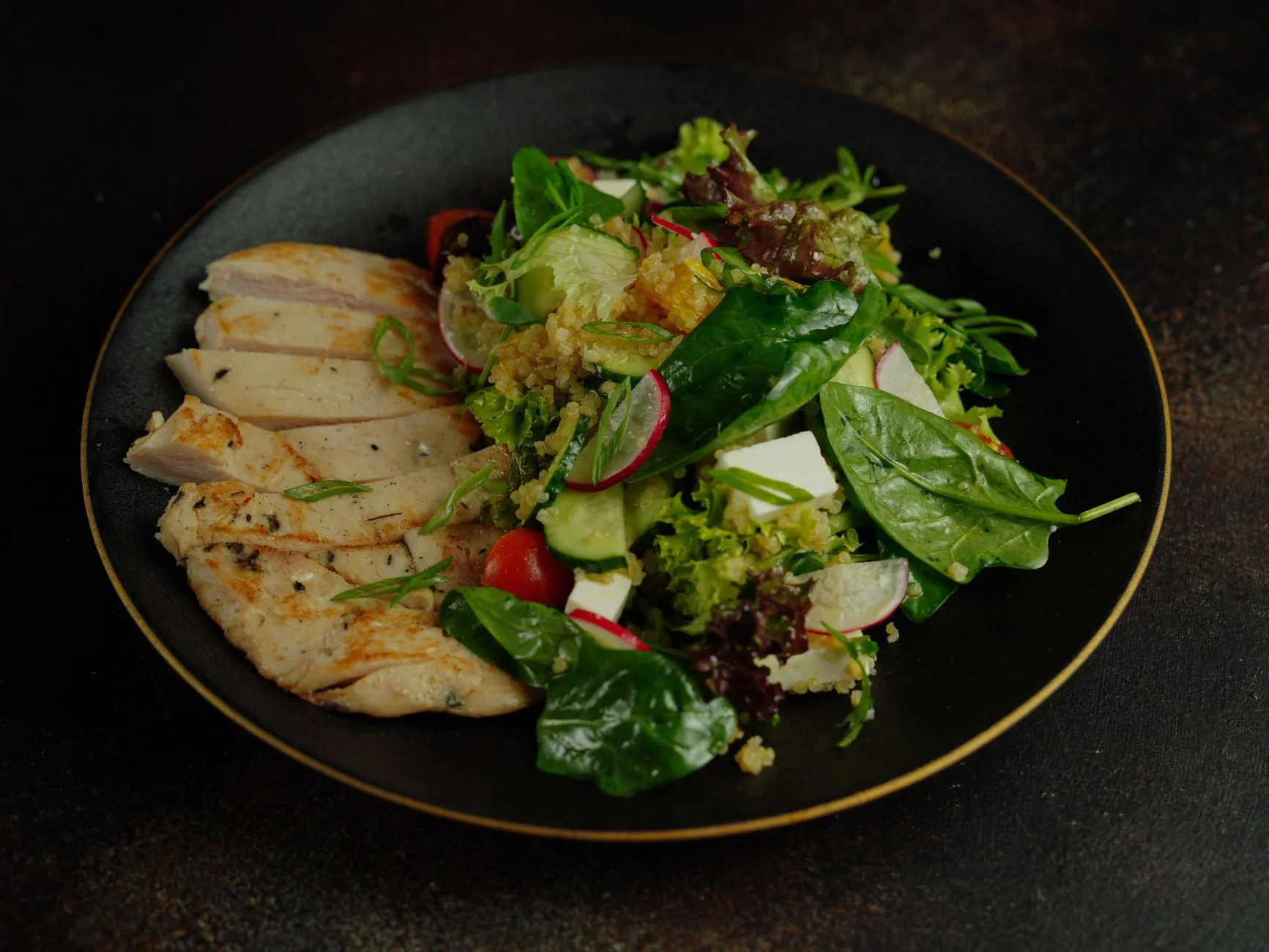
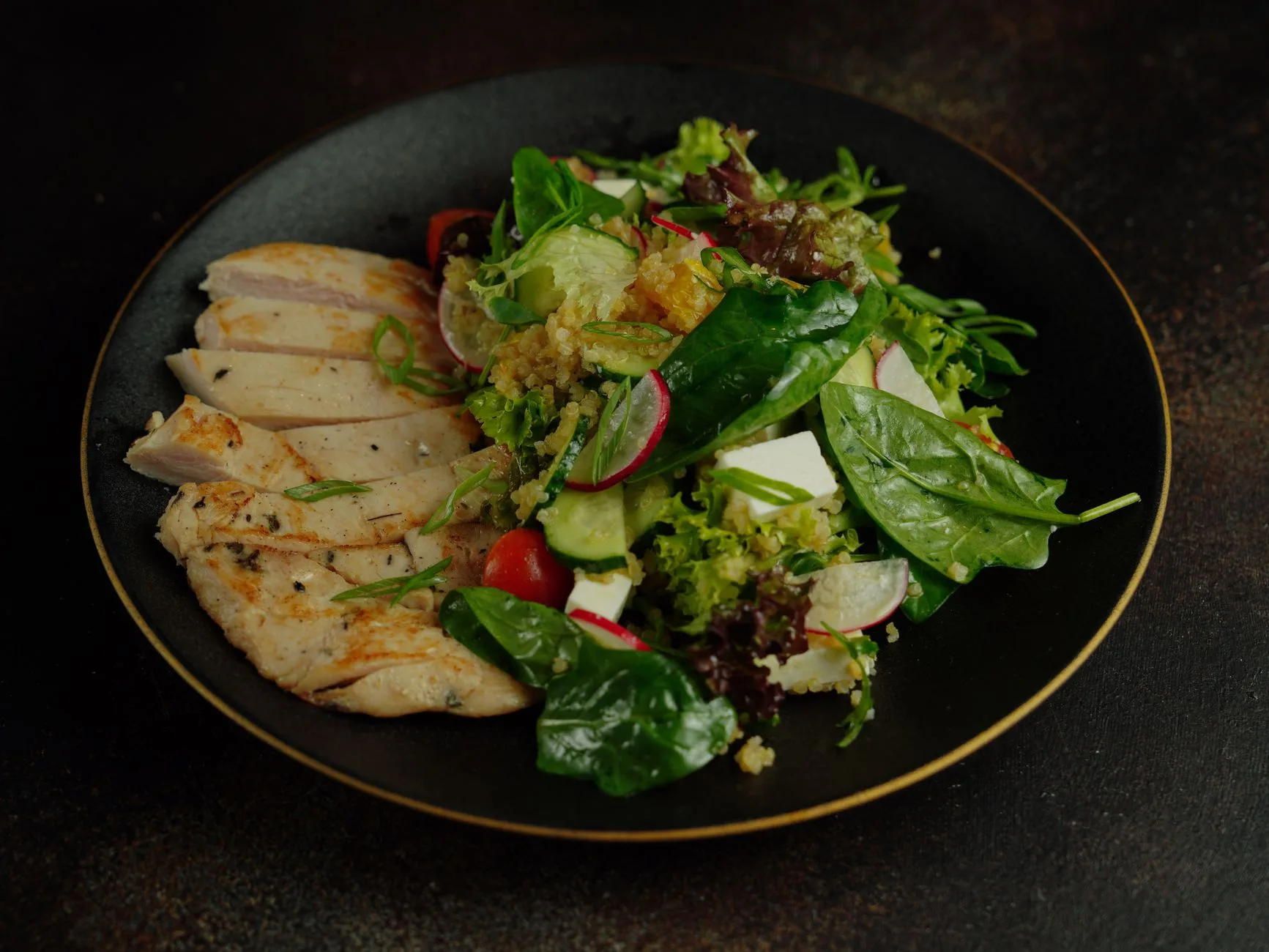
The key takeaway: Prioritize protein, fiber, and whole foods while reducing refined carbohydrates and liquid sugar — this is the foundation of natural weight loss.
1. Eat more protein
Protein increases satiety, preserves muscle during fat loss, and has a higher thermic effect than carbs or fat. Aim for a source at every meal — eggs, Greek yogurt, fish, poultry, tofu, or legumes.
2. Fill half your plate with fiber
Soluble fiber from vegetables, beans, oats, and berries slows digestion and feeds beneficial gut bacteria. Higher fiber intake is consistently linked to lower visceral fat in observational research from the National Institutes of Health (PubMed).
3. Cut liquid sugar first
Sugar-sweetened drinks and fruit juices deliver fast calories without satiety and are strongly tied to visceral fat gain. Replacing them with water, sparkling water, or unsweetened tea is often the single highest-impact change.
4. Reduce ultra-processed refined carbs
White bread, pastries, and packaged snacks spike blood sugar and encourage overeating. Swapping them for whole grains and vegetables supports steadier energy and appetite balance.
Habits That Help
- Protein at every meal
- 30g+ fiber daily
- Water instead of sweet drinks
- Cooking most meals at home
- Consistent meal timing
Habits That Hurt
- Skipping meals then overeating
- Liquid calories and alcohol excess
- Late-night ultra-processed snacking
- Extreme crash diets
- Chronic under-sleeping
Movement: The Exercise That Actually Targets the Waist
The key takeaway: Combine strength training with regular walking and occasional higher-intensity intervals — muscle is your metabolic ally.
Resistance training builds and preserves lean muscle, which keeps your resting metabolism higher during fat loss. Two to four sessions per week covering major muscle groups is enough for most beginners.
Daily walking — aiming for 7,000–10,000 steps — burns meaningful calories without the recovery cost of intense workouts. The CDC (2024) recommends at least 150 minutes of moderate activity weekly plus two strength sessions.
“There is no such thing as spot reduction. When you lose weight, you lose it all over — and where it comes off first is determined by genetics.”
— Dr. Michael Joyner, physiologist, Mayo Clinic
The Overlooked Levers: Sleep, Stress, and Hormones
The key takeaway: Poor sleep and chronic stress raise cortisol, which directly encourages the body to store visceral belly fat.
When you sleep fewer than six hours, hunger hormones shift — ghrelin rises and leptin falls — making you hungrier and less satisfied. Prioritizing 7–9 hours is a genuine fat-loss strategy, not a luxury.
Chronic stress keeps cortisol elevated, which is associated with increased abdominal fat storage even at the same calorie intake. Practices like walking outdoors, breathing exercises, and consistent routines help regulate this response.
Our editorial observation on the 50+ transition
In our analysis of weight-loss patterns among women over 50, we’ve found that the same diet that worked at 35 often stalls after menopause. The drop in estrogen shifts fat storage toward the abdomen, so strategies targeting metabolic health and appetite regulation matter more than raw calorie cutting.
We recommend that this age group emphasize protein intake, resistance training to counter muscle loss, and sleep quality before assuming they simply “need to eat less.” These levers address the hormonal reality rather than fighting it.
What About Supplements and GLP-1 Support?
The key takeaway: Supplements are supporting tools, not replacements for diet and movement — but some ingredients aim to support the body’s own appetite-regulating pathways.
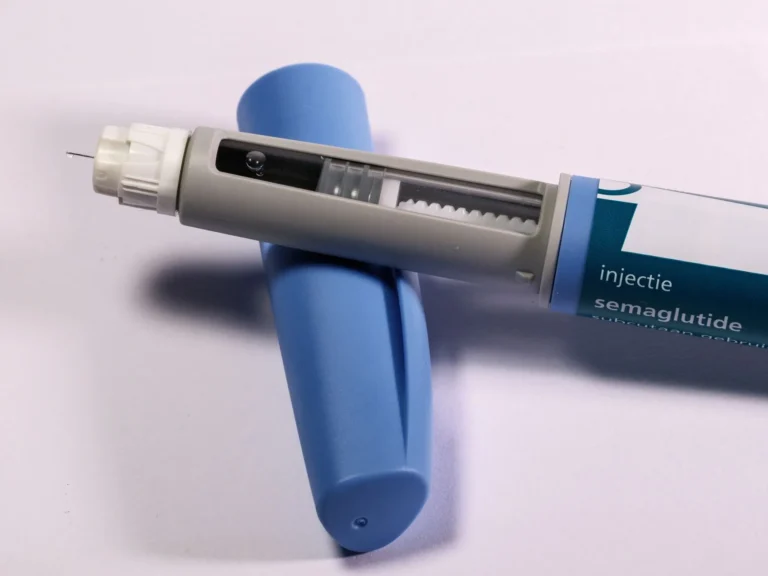
You have likely heard about GLP-1 and GIP, the gut hormones behind prescription weight-loss medications. These hormones signal fullness and help regulate blood sugar after meals, which explains the surge of interest around them.
Metabolic health advocate Dr. Casey Means has widely discussed how blood sugar stability and metabolic function underpin healthy weight, a theme that has moved from clinical circles into mainstream conversations — including popular trends like the “Pink Salt Trick” and coverage from figures such as Oprah. The science-backed core of these discussions is real: appetite and metabolism are hormonally driven.
This is where a formulated natural metabolic support supplement can play a supporting role. Brands like BurnJaro develop capsules with ingredients inspired by GLP-1 and GIP pathways, designed specifically as a formula for women over 50 seeking appetite balance alongside their diet and exercise routine. Any supplement, however, works best as one part of the whole-habit approach described above.
A Realistic 4-Week Framework
The key takeaway: Change one or two habits per week rather than everything at once — consistency beats intensity.
| Week | Primary Focus | Action |
|---|---|---|
| 1 | Hydration & sugar | Replace sweet drinks with water; add protein to breakfast |
| 2 | Fiber & vegetables | Half your plate vegetables at lunch and dinner |
| 3 | Movement | Add 2 strength sessions + daily 20-minute walk |
| 4 | Recovery | Set a fixed sleep schedule; add 10-minute stress routine |
Frequently Asked Questions
How long does it take to reduce belly fat naturally?
Most people see visible waistline changes within 4 to 12 weeks when they maintain a modest calorie deficit, strength train, and improve sleep. A safe, sustainable rate is roughly 0.5–1% of body weight per week; faster loss usually costs muscle and rebounds.
What foods burn belly fat the fastest?
No single food burns fat, but high-protein foods (eggs, fish, Greek yogurt), high-fiber foods (beans, oats, berries, leafy greens), and water-rich vegetables help the most by controlling appetite. Cutting sugary drinks typically produces the quickest visible change.
Can I lose belly fat without exercise?
Yes, diet drives most fat loss, so you can reduce belly fat through eating changes alone. However, adding strength training preserves muscle, improves metabolic health, and makes the results firmer and easier to maintain.
Why is belly fat harder to lose after 50?
After menopause, declining estrogen shifts fat storage toward the abdomen and muscle mass naturally decreases, slowing metabolism. This is why protein, resistance training, and appetite-regulating strategies become more important for women over 50 than simple calorie restriction.
Do natural weight-loss supplements actually work?
Supplements can support appetite control and metabolic health but only work meaningfully alongside a good diet and movement — they are not a standalone solution. Look for transparent formulas, realistic claims, and a satisfaction guarantee rather than promises of effortless results.
Conclusion
Learning how to reduce belly fat naturally is less about a secret trick and more about stacking sustainable habits: protein and fiber at meals, regular strength training and walking, quality sleep, and managed stress. Because you cannot target the belly directly, the goal is overall fat loss — and the waistline shrinks as a result.
For women over 50 especially, aligning your approach with hormonal reality — protecting muscle, balancing appetite, and supporting metabolism — produces better, longer-lasting results than aggressive dieting.
If the habits in this guide resonate — protein-forward eating, appetite balance, and metabolic support for women over 50 — BurnJaro may be a fitting next step. Its capsules are formulated with ingredients inspired by the GLP-1 and GIP pathways discussed above and come backed by a 60-day satisfaction guarantee, so you can see how natural metabolic support fits into your routine.