Why do women gain weight after 50?
Why women gain weight after 50 comes down to hormones, muscle loss, and metabolism. Learn the science-backed causes and what actually helps.
Why women gain weight after 50 is primarily driven by three overlapping shifts: dropping estrogen levels during and after menopause, the natural loss of lean muscle mass (sarcopenia), and a slower resting metabolism. These changes cause the body to store more fat—especially around the abdomen—even when eating and activity habits stay the same.
Key Takeaways
- Estrogen decline redistributes fat from hips and thighs to the belly (visceral fat).
- Women lose 3–8% of muscle mass per decade after 30, which slows metabolism.
- Resting metabolic rate drops roughly 1–2% per decade after age 50.
- Insulin sensitivity and appetite-regulating hormones like GLP-1 often change with age.
- Strength training, protein intake, and metabolic support—not extreme dieting—are the most effective responses.
The Direct Answer: What Causes Weight Gain After 50?
The key takeaway: Weight gain after 50 is caused by hormonal changes, muscle loss, and a slowing metabolism working together—not by a lack of willpower.
Many women describe the frustration of doing everything the same and still watching the scale climb. This is a physiological reality, not a personal failing. The body simply processes energy differently after menopause.
Understanding why women gain weight after 50 starts with recognizing that the problem is systemic. Hormones influence fat storage, muscle mass influences calorie burn, and metabolism ties it all together.
Cause 1: Estrogen Decline and Fat Redistribution
The key takeaway: Falling estrogen during menopause signals the body to store fat around the abdomen instead of the hips and thighs.
Before menopause, estrogen encourages fat storage in the lower body—the classic “pear” shape. As estrogen drops, the storage pattern shifts toward the midsection, producing more visceral fat around the organs.
Visceral fat is metabolically active and linked to higher risks of insulin resistance, heart disease, and type 2 diabetes. According to the research published on the U.S. National Library of Medicine, the menopause transition is associated with measurable increases in central fat independent of aging alone.
“Menopause is associated with the accumulation of visceral fat, which is a stronger predictor of cardimetabolic risk than total body weight.”
— Dr. JoAnn Manson, Professor of Medicine, Harvard Medical School
This is why two women at the same weight can have very different health profiles: where the fat sits matters as much as how much there is. For a deeper look at abdominal fat specifically, our guide on how to lose visceral fat after 50 covers targeted strategies.
Cause 2: Muscle Loss (Sarcopenia) Slows Everything Down
The key takeaway: Muscle burns more calories at rest than fat, so losing muscle after 50 directly lowers how many calories you burn each day.
Sarcopenia—age-related muscle loss—accelerates after menopause. Women can lose 3–8% of muscle mass per decade starting in their 30s, and the rate quickens later in life.
Less muscle means a lower resting metabolic rate. In practical terms, the same meal that maintained your weight at 40 may now lead to a small daily surplus.
The good news: muscle loss is largely reversible with resistance training. Studies from the National Institute on Aging confirm that women over 50 can build strength and preserve muscle at any age.
Cause 3: A Naturally Slower Metabolism
The key takeaway: Resting metabolism declines gradually with age, partly from muscle loss and partly from cellular and hormonal changes.
Your metabolism is the sum of every process that burns energy—breathing, digesting, moving, thinking. After 50, this baseline burn tends to drop by roughly 1–2% per decade.
This decline compounds with reduced physical activity, which is common as joints ache and energy dips. The result is a widening gap between calories consumed and calories burned.
Metabolism is not fixed, however. Diet composition, sleep, activity, and muscle mass all influence it. Our article on how to speed up a slow metabolism after 50 breaks down the practical levers.
Cause 4: Appetite Hormones and the GLP-1 Connection
The key takeaway: Hormones that regulate hunger and fullness—including GLP-1 and GIP—can become less effective with age, making appetite harder to control.
GLP-1 (glucagon-like peptide-1) is a hormone released after eating that signals fullness and slows digestion. GIP (glucose-dependent insulinotropic polypeptide) works alongside it to regulate blood sugar and fat storage.
As these signaling pathways weaken, some women notice increased hunger, more cravings, and less satisfaction after meals. This partly explains why appetite control feels harder after 50.
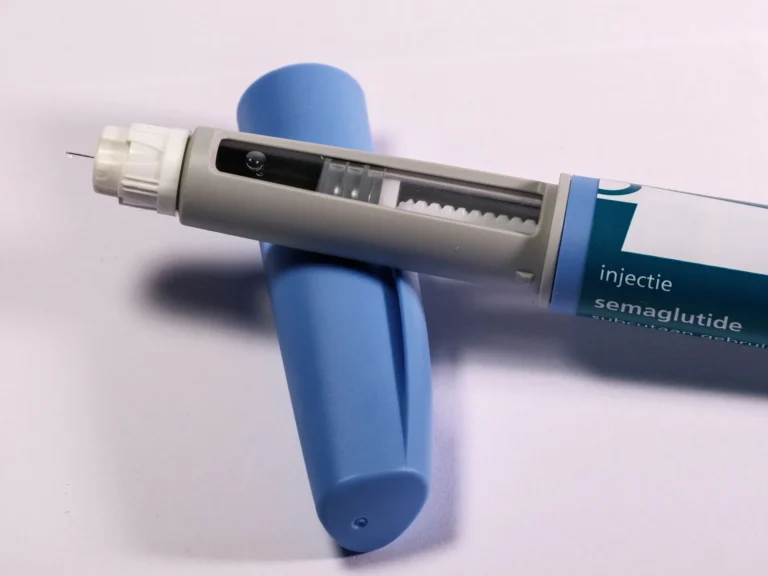
This is the same biological pathway that prescription weight-loss medications target. For those who prefer non-pharmaceutical routes, our overview of natural GLP-1 support without prescription medications explains the alternatives in detail.
The Overlooked Factor: Stress, Cortisol, and Sleep
The key takeaway: Chronic stress and poor sleep raise cortisol, which promotes belly fat storage and increases cravings—an often-ignored driver of midlife weight gain.
In our analysis of the research and reader experiences, we’ve found that women over 50 frequently overlook cortisol. It is a piece of the puzzle rarely discussed in mainstream weight-loss advice.
Perimenopause and menopause disrupt sleep through hot flashes and night sweats. Fragmented sleep elevates cortisol and ghrelin (the hunger hormone) while lowering leptin (the fullness hormone).
The unique insight we want to highlight: addressing sleep quality can produce measurable weight changes even without changing diet, because it directly influences the hormones that govern hunger and fat storage. Prioritizing sleep is often the highest-return, lowest-effort intervention.
What Actually Works: Science-Backed Responses
The key takeaway: The most effective approach after 50 is preserving muscle, managing appetite hormones, and supporting metabolism—not crash dieting, which accelerates muscle loss.
Extreme calorie restriction is counterproductive after 50 because it burns muscle along with fat, further lowering metabolism. A smarter, sustainable strategy wins.
Pros
- Resistance training 2–3x weekly preserves and rebuilds muscle
- Higher protein intake (25–30g per meal) supports satiety and muscle
- Prioritizing sleep lowers cortisol and cravings
- Metabolic and GLP-1 support can help regulate appetite naturally
Cons
- Crash diets accelerate muscle loss and slow metabolism
- Cardio alone does little to preserve muscle
- Ignoring sleep and stress undermines other efforts
- Expecting rapid results leads to abandoning sustainable habits
For a broader menu of natural options, we recommend reviewing which natural supplements actually work for menopause weight gain before committing to any single approach.
Where Natural Metabolic Support Fits In
The key takeaway: Some women complement lifestyle changes with natural supplements designed to support GLP-1 and GIP pathways and appetite regulation.
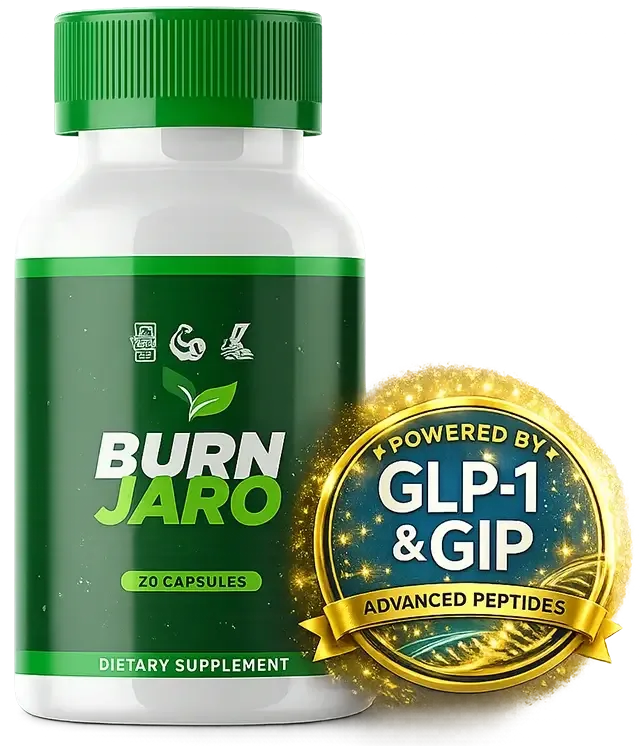
Interest in natural fat burners and metabolic support has grown as women seek alternatives to prescription injectables. Formulas like BurnJaro are positioned specifically for women over 50, targeting GLP-1 and GIP support and appetite control through a capsule format.
The appeal of this category is that it works alongside—not instead of—muscle-building and better sleep. It targets the hormonal appetite pathways that naturally weaken with age.
Public figures and clinicians such as Dr. Casey Means have popularized metabolic health awareness, and trends like the so-called Pink Salt Trick (associated in online discussion with Pink Salt by Oprah) reflect the surging demand for metabolic solutions. As always, evidence quality varies, so we advise evaluating any product against your own health context and a physician’s guidance.
Health disclaimer: This article is educational and not medical advice. Weight changes after 50 can also signal thyroid disorders, medication side effects, or other conditions. Consult a qualified healthcare provider before starting any supplement or major lifestyle change, especially if you take prescription medications.
Frequently Asked Questions
Is it normal to gain weight after 50 even if I eat healthy?
Yes. Because of estrogen decline, muscle loss, and a slower metabolism, many women gain weight after 50 despite eating the same healthy diet that maintained their weight earlier. The body burns fewer calories at rest, so the same intake can now create a small surplus. Adjusting protein, strength training, and portion timing typically matters more than eating “less.”
How much weight do women typically gain during menopause?
On average, women gain roughly 1.5 pounds per year during the menopause transition, adding up to around 5–10 pounds over the years surrounding menopause. Much of this settles as visceral fat around the abdomen due to hormonal shifts. The amount varies widely based on genetics, activity, sleep, and diet.
Can you lose belly fat after 50?
Yes, belly fat can be reduced after 50 through resistance training to rebuild muscle, adequate protein, better sleep to lower cortisol, and appetite regulation. Visceral fat often responds well to exercise and improved insulin sensitivity. Spot reduction is not possible, but overall fat loss shrinks the midsection over time.
Does slower metabolism after 50 mean I can never lose weight?
No. A slower metabolism makes weight loss more gradual but not impossible. Building muscle raises your resting metabolic rate, and supporting appetite hormones helps control intake. Sustainable habits consistently outperform extreme diets, which backfire by burning muscle.
What is the difference between GLP-1 and GIP?
GLP-1 (glucagon-like peptide-1) is a gut hormone that signals fullness, slows digestion, and helps regulate blood sugar. GIP (glucose-dependent insulinotropic polypeptide) also regulates blood sugar and influences fat storage. Both are incretin hormones, and supporting their activity can help improve appetite control and metabolic function.
Conclusion
The key takeaway: Understanding why women gain weight after 50 reveals that it is a biological response to hormonal decline, muscle loss, and slowing metabolism—all of which can be managed.
The solution is not harsher dieting but smarter strategy: preserve muscle, regulate appetite hormones like GLP-1 and GIP, prioritize sleep, and support metabolic health. These levers work together.
With the right knowledge and consistent habits, midlife weight gain is far from inevitable. It is a challenge that responds well to targeted, science-informed action.
Now that you understand the hormonal and metabolic reasons behind midlife weight gain, the logical next step is supporting the very pathways that weaken after 50. BurnJaro is a natural capsule built around GLP-1 and GIP support and appetite control, developed specifically for women over 50 who want to work with their biology rather than against it.