Technical analysis: how GLP-1 works for weight loss
How GLP-1 works for weight loss explained: the hormone’s role in appetite, digestion, and fat control. A clear, science-backed technical breakdown.
How GLP-1 works for weight loss comes down to one hormone that slows digestion, signals fullness to the brain, and helps regulate blood sugar. When GLP-1 activity rises, appetite drops and calorie intake naturally falls, which is why this pathway sits at the center of modern weight management. This guide breaks down the biology in plain terms and explains how the same system can be supported without prescription medication.
Key Takeaways
- GLP-1 (glucagon-like peptide-1) is a gut hormone that reduces appetite by slowing stomach emptying and acting on hunger centers in the brain.
- It works alongside GIP, another incretin hormone, to control blood sugar and food intake.
- Weight loss occurs mainly through reduced calorie consumption, not by directly “burning” fat.
- Natural GLP-1 support strategies include protein, fiber, and specific nutrients that promote the body’s own hormone release.
- Women over 50 face unique metabolic shifts that make GLP-1 and GIP support particularly relevant.
What Is GLP-1? A Clear Definition
The key takeaway: GLP-1, or glucagon-like peptide-1, is a hormone released by cells in the small intestine after eating that helps regulate blood sugar and appetite.
GLP-1 belongs to a group of hormones called incretins. These are secreted in response to food and act as chemical messengers between the gut, pancreas, and brain.
The hormone was first identified in the 1980s during research into how the body controls insulin. According to the National Center for Biotechnology Information review of incretin physiology (2013), GLP-1 amplifies insulin release only when blood glucose is elevated, making it a precise regulator rather than a blunt tool.
How GLP-1 Works for Weight Loss: The Three Mechanisms

The key takeaway: GLP-1 drives weight loss through three connected actions — slowing digestion, signaling fullness to the brain, and stabilizing blood sugar to reduce cravings.
1. Slower Stomach Emptying
GLP-1 delays how quickly food leaves the stomach. Food stays in the digestive tract longer, so physical fullness lasts well beyond the meal itself.
This delayed emptying is a major reason people eating with elevated GLP-1 activity report feeling satisfied on smaller portions.
2. Direct Appetite Signaling in the Brain
GLP-1 receptors exist in the hypothalamus, the brain region that governs hunger. When GLP-1 binds to these receptors, it lowers the drive to eat.
Research published in Cell Metabolism has documented that GLP-1 reduces both meal size and the frequency of food-seeking behavior, effectively quieting the mental “noise” around food.
3. Blood Sugar Regulation
By prompting insulin release when glucose rises and suppressing glucagon, GLP-1 keeps blood sugar steadier. Stable glucose means fewer sharp crashes that trigger cravings for quick carbohydrates.
GLP-1 and GIP: Why Two Hormones Matter

The key takeaway: GIP (glucose-dependent insulinotropic polypeptide) is a second incretin that works alongside GLP-1, and combining both produces stronger metabolic effects than either alone.
GIP is released by cells in the upper small intestine and also influences insulin and fat metabolism. Newer research suggests that dual GLP-1 and GIP support improves both appetite control and how the body handles fat storage.
In our analysis of the incretin literature, the most consistent finding is that these two hormones are complementary — GLP-1 leans toward appetite and digestion, while GIP contributes more to fat and glucose handling. That is why formulas targeting both pathways have drawn increasing attention for healthy weight management.
“GLP-1 based therapies represent one of the most significant advances in the treatment of obesity in decades, precisely because they target the biology of appetite rather than willpower.”
— Dr. Daniel Drucker, Professor of Medicine, University of Toronto and Lunenfeld-Tanenbaum Research Institute
Why GLP-1 Matters More for Women Over 50
The key takeaway: Hormonal shifts during and after menopause slow metabolism and change fat distribution, making natural GLP-1 support especially relevant for women over 50.
Declining estrogen affects how the body stores fat, often shifting it toward the abdomen. This visceral fat is metabolically active and harder to lose.
At the same time, muscle mass tends to decline with age, lowering resting calorie burn. Supporting metabolic health for women 50+ through better appetite regulation can make a meaningful difference where extreme diets typically fail.
Readers navigating this stage may find it useful to review our guide on why women gain weight after 50 and practical strategies for losing weight after menopause.
How to Boost GLP-1 Levels Naturally
The key takeaway: Diet composition, gut health, and specific nutrients can stimulate the body’s own GLP-1 release without prescription medication.
The body produces GLP-1 in response to what and how we eat. Certain foods and habits reliably increase natural secretion:
- Protein at every meal — triggers strong GLP-1 release and prolongs fullness.
- Soluble fiber — fermented by gut bacteria into short-chain fatty acids that stimulate GLP-1.
- Healthy fats — monounsaturated fats like olive oil support incretin response.
- A diverse gut microbiome — the bacteria producing beneficial compounds depend on fiber-rich foods.
- Adequate sleep and stress control — chronic stress blunts satiety signaling.
For a deeper breakdown of food-based and supplement approaches, our resource on natural GLP-1 support without prescription medications expands on each strategy.
The Pink Salt Trick and Popular Claims
You may have seen references to a “Pink Salt Trick” popularized online and associated with figures like Oprah. Mineral-rich salts do support hydration and electrolyte balance, but no salt directly raises GLP-1 in a meaningful way.
We recommend treating viral shortcuts with caution. The evidence points to protein, fiber, and consistent habits — not a single ingredient — as the drivers of natural incretin response.
Where Natural Supplements Fit In
The key takeaway: Natural supplements are designed to support the body’s GLP-1 and GIP pathways gradually, positioned as an aid to lifestyle rather than a replacement for medication.
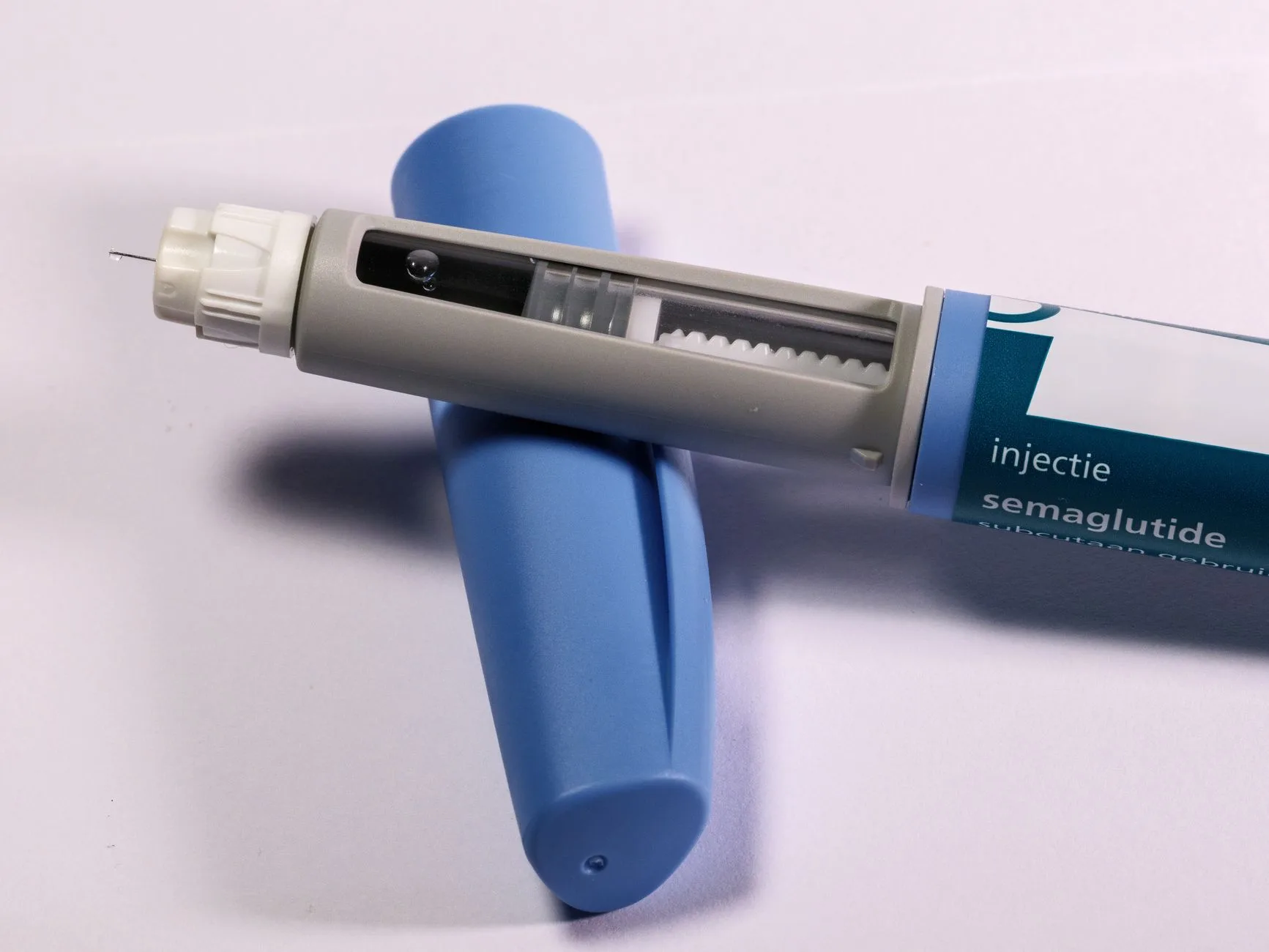
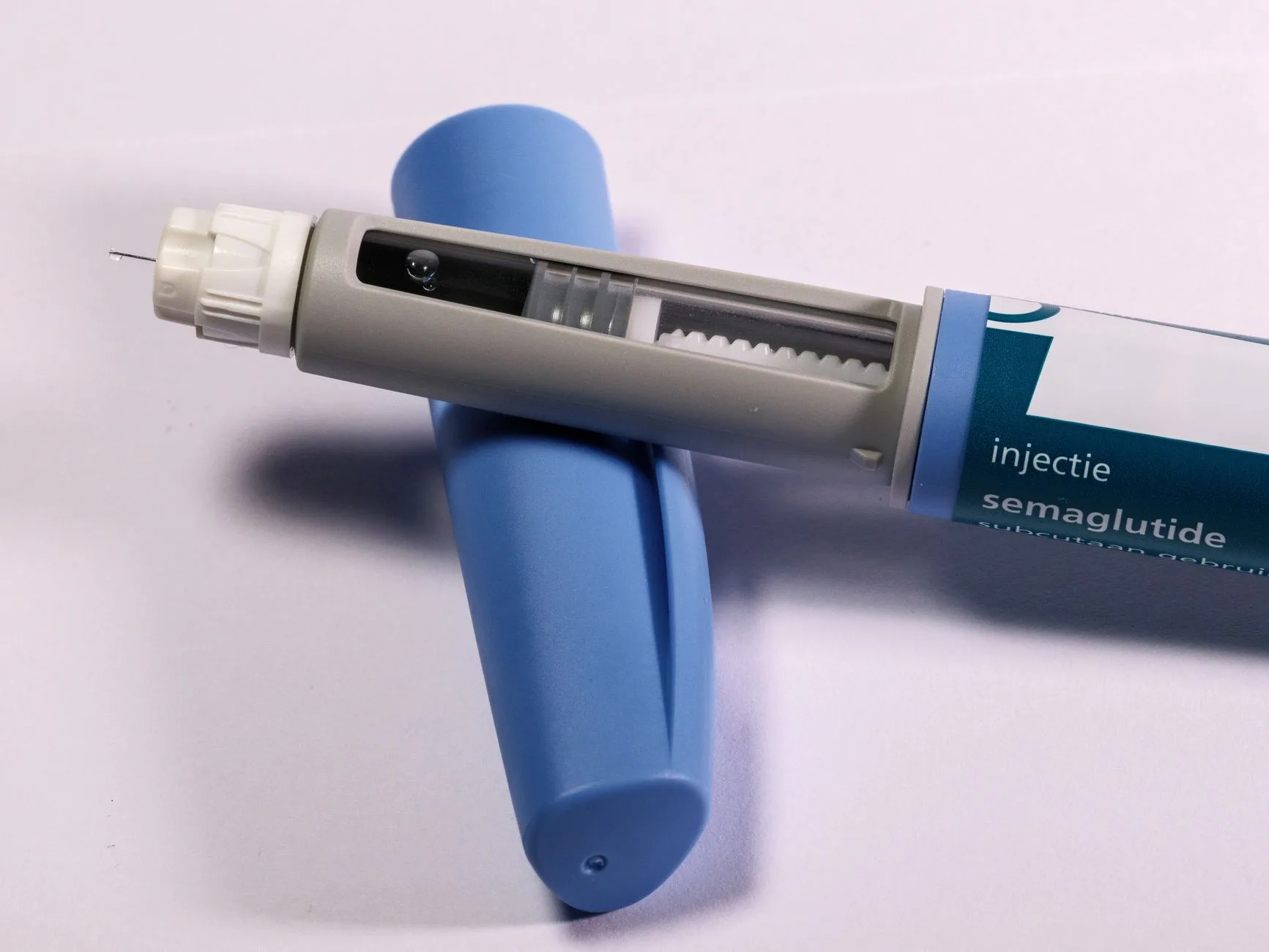
Prescription GLP-1 receptor agonists are powerful but carry known side effects and require medical supervision. Emerging safety discussions, including a Nature review on pancreatic cancer risk with GLP-1 receptor agonist therapy, have prompted many people to explore gentler options.
This is the space where a natural fat burner approach fits. BurnJaro is formulated as a capsule that supports GLP-1 and GIP activity through natural ingredients, aimed at women over 50 seeking a safe weight management formula without extreme dieting.
For a broader view of the category, see our comparison of the best GLP-1 alternative supplements.
Health disclaimer: This article is for educational purposes and is not medical advice. GLP-1 involves complex metabolic and blood sugar processes. Consult a qualified healthcare provider before starting any supplement, especially if you take medication or have a diagnosed condition.
Prescription GLP-1 vs. Natural Support: A Comparison
The key takeaway: Prescription medications act quickly and strongly, while natural support works gradually with fewer risks — the right choice depends on individual health needs.
| Factor | Prescription GLP-1 Agonists | Natural GLP-1 Support |
|---|---|---|
| Speed of effect | Fast, potent | Gradual |
| Supervision needed | Yes, physician-managed | Generally self-directed |
| Common side effects | Nausea, GI upset | Typically mild |
| Mechanism | Directly binds receptors | Encourages the body’s own release |
| Best suited for | Clinical obesity, diabetes | Lifestyle-based weight management |
Pros of Natural Support
- Fewer and milder side effects
- No prescription required
- Complements diet and habits
- Supports both GLP-1 and GIP pathways
Cons of Natural Support
- Slower, more subtle results
- Requires consistency
- Not a treatment for clinical conditions
Frequently Asked Questions
What does GLP-1 do for weight loss exactly?
GLP-1 reduces appetite by slowing stomach emptying and acting on hunger centers in the brain, while stabilizing blood sugar. The result is that you feel full sooner and stay satisfied longer, which lowers total calorie intake and supports weight loss.
How can I increase GLP-1 naturally?
Eat protein and soluble fiber at every meal, include healthy fats like olive oil, and support your gut microbiome with a varied plant-rich diet. Adequate sleep and stress management also help your body’s natural GLP-1 signaling function properly.
Is GLP-1 safe for women over 50?
Natural strategies to support GLP-1 — such as diet and lifestyle changes — are generally safe and well-suited to the metabolic shifts of menopause. Prescription GLP-1 medications require medical supervision, so any woman over 50 considering them should consult a healthcare provider first.
What is the difference between GLP-1 and GIP?
Both are incretin hormones released after eating. GLP-1 leans toward controlling appetite and digestion, while GIP contributes more to fat metabolism and glucose handling; together they produce stronger metabolic effects than either alone.
Do natural GLP-1 supplements work as well as prescription drugs?
No — natural supplements work gradually and more subtly than prescription GLP-1 agonists, which are potent medications. Natural support is best viewed as an aid to healthy eating and activity rather than a direct replacement for medical treatment of clinical obesity.
Conclusion
The key takeaway: Understanding how GLP-1 works for weight loss reveals that lasting results come from working with the body’s own appetite and blood sugar signals, not against them.
GLP-1 and GIP form a coordinated system that governs hunger, digestion, and metabolism. Supporting this system through protein, fiber, gut health, and targeted nutrients offers a sustainable path, especially for women over 50 facing menopausal metabolic change.
Whether through diet, lifestyle, or a natural support formula, the biology is the same: quiet the hunger signal, steady blood sugar, and portion control follows more easily.
If this breakdown of how GLP-1 works has you looking for a practical next step, a formula built specifically around these pathways is worth exploring. BurnJaro is designed as a capsule that supports natural GLP-1 and GIP activity for women over 50 who want steady, sustainable weight management without extreme dieting.