How to Lose Visceral Fat After 50: Science-Backed Natural Solutions
How to lose visceral fat after 50 with science-backed natural methods. Learn the diet, exercise, and metabolic strategies that actually work.
How to lose visceral fat after 50 comes down to a consistent combination of resistance training, higher protein intake, better sleep, and stress management that protects hormones like insulin and cortisol. There is no single trick, but the science is clear: targeting deep abdominal fat is achievable naturally once you account for the metabolic shifts that come with age and menopause.
Key Takeaways
- Visceral fat wraps around internal organs and is far more dangerous than the pinchable fat under your skin.
- After 50, declining estrogen and muscle mass make the body store more fat around the midsection.
- Resistance training, adequate protein, quality sleep, and lower refined-carb intake are the four highest-impact levers.
- Spot-reduction (crunches for belly fat) does not work — total-body metabolic change does.
- Some natural compounds may support appetite regulation and GLP-1/GIP pathways, but they complement lifestyle rather than replace it.
What Is Visceral Fat and Why It Matters After 50
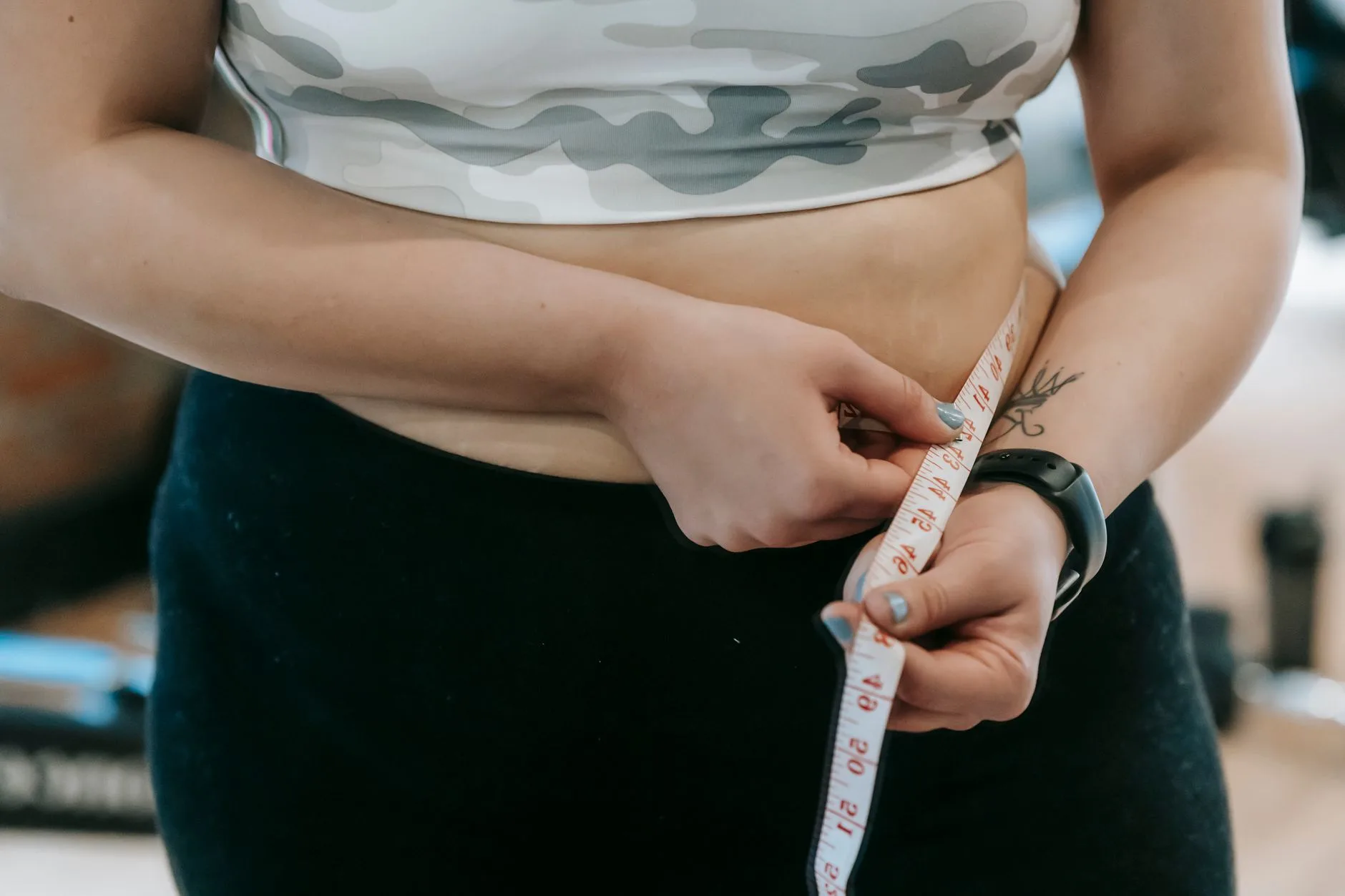
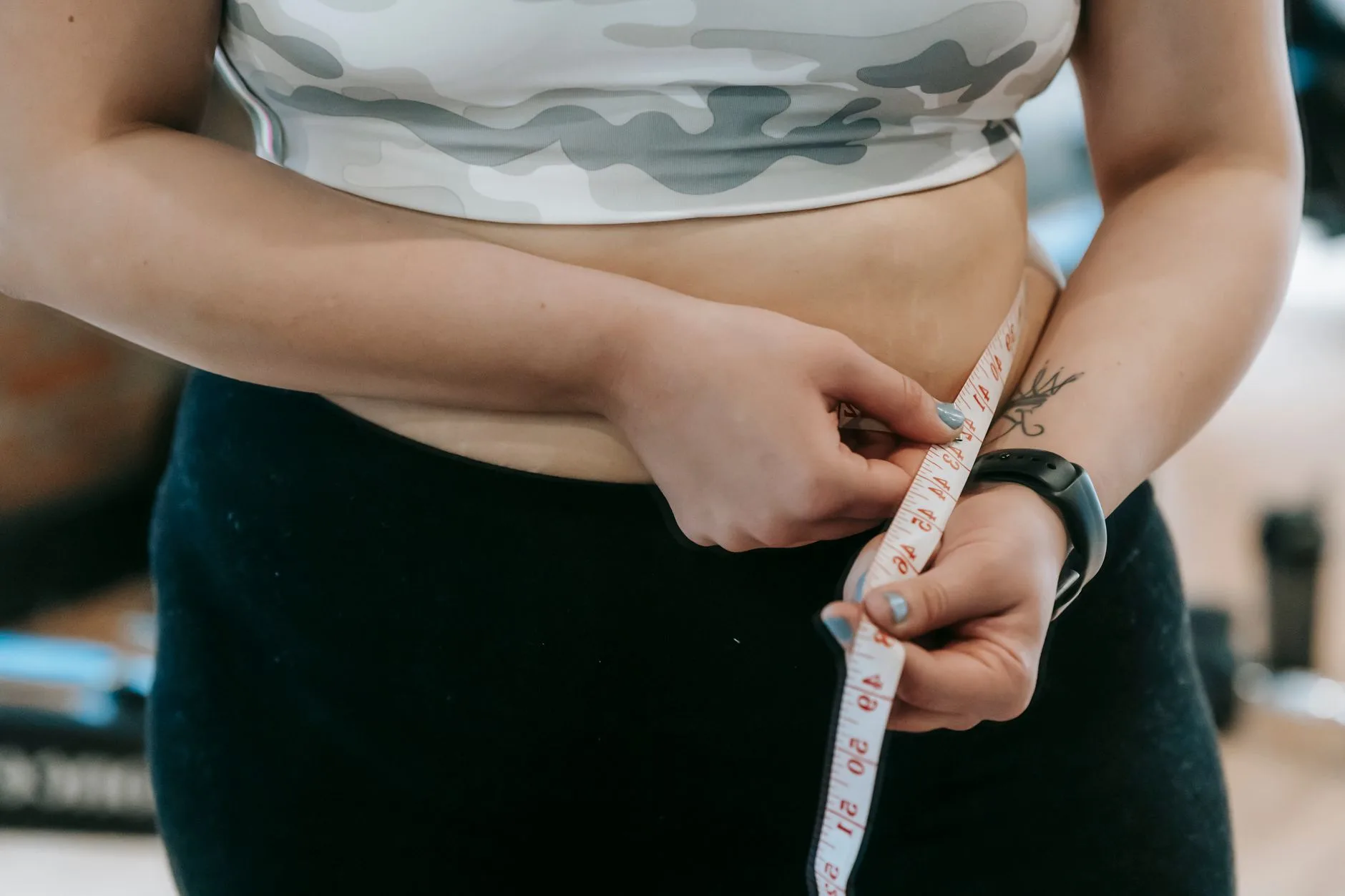
The key takeaway: Visceral fat is the metabolically active fat stored deep in the abdomen around organs like the liver and intestines, and it raises the risk of heart disease, type 2 diabetes, and inflammation.
Unlike subcutaneous fat, which sits just under the skin, visceral fat behaves almost like an endocrine organ. It releases inflammatory signals and free fatty acids directly into the bloodstream.
This is why two people with the same weight can have very different health risks. A larger waistline often signals more of this dangerous internal fat.
According to the Johns Hopkins Medicine health resource, excess visceral fat is strongly linked to insulin resistance and cardiovascular disease. Reducing it improves nearly every marker of metabolic health.
Why Visceral Fat Increases After 50

The key takeaway: The main drivers are falling estrogen, natural muscle loss (sarcopenia), a slower resting metabolism, and higher baseline cortisol.
During and after menopause, estrogen declines sharply. This hormone helped direct fat storage toward the hips and thighs, so its loss redirects fat to the belly.
At the same time, muscle mass naturally shrinks with age. Since muscle burns more calories at rest than fat, less muscle means a slower metabolism and easier fat gain.
We’ve found in reviewing the research that the combination of these factors — not simply “eating too much” — explains why many women who never struggled with weight suddenly do after 50. Understanding how a slowing metabolism after 50 can be sped up naturally is the foundation of any lasting plan.
“Muscle is the organ of longevity. The more muscle you have, and the healthier that muscle is, the better your metabolic health tends to be.”
— Dr. Gabrielle Lyon, physician and author of Forever Strong
How to Lose Visceral Fat After 50: The Core Strategy
The key takeaway: The four highest-impact levers are resistance training, adequate protein, quality sleep, and reducing refined carbohydrates — in that order of return-on-effort.
1. Prioritize Resistance Training Over Cardio
Lifting weights or using resistance bands rebuilds the muscle that drives metabolism. Two to three sessions per week is enough to see meaningful change.
While cardio burns calories during the session, resistance training keeps burning them afterward by preserving and building lean tissue. This is the single most underrated tool for reducing visceral fat after 50.
2. Eat More Protein Than You Think You Need
Protein preserves muscle, increases satiety, and has a higher thermic effect than carbs or fat. Aim for a palm-sized portion at every meal.
Older adults often need more protein than younger people to maintain the same muscle, a concept the NIH Office of Dietary Supplements discusses in the context of age-related muscle preservation.
3. Protect Your Sleep and Manage Cortisol
Poor sleep raises cortisol and ghrelin (the hunger hormone), which directly encourages abdominal fat storage. Seven to nine hours is the target.
Chronic stress does the same thing. Practices like walking, breathwork, and daylight exposure lower cortisol and improve fat metabolism over time.
4. Cut Refined Carbs and Added Sugar
Refined carbohydrates spike insulin, and elevated insulin promotes fat storage around the organs. Swapping white bread, pastries, and sugary drinks for whole foods reduces this signal.
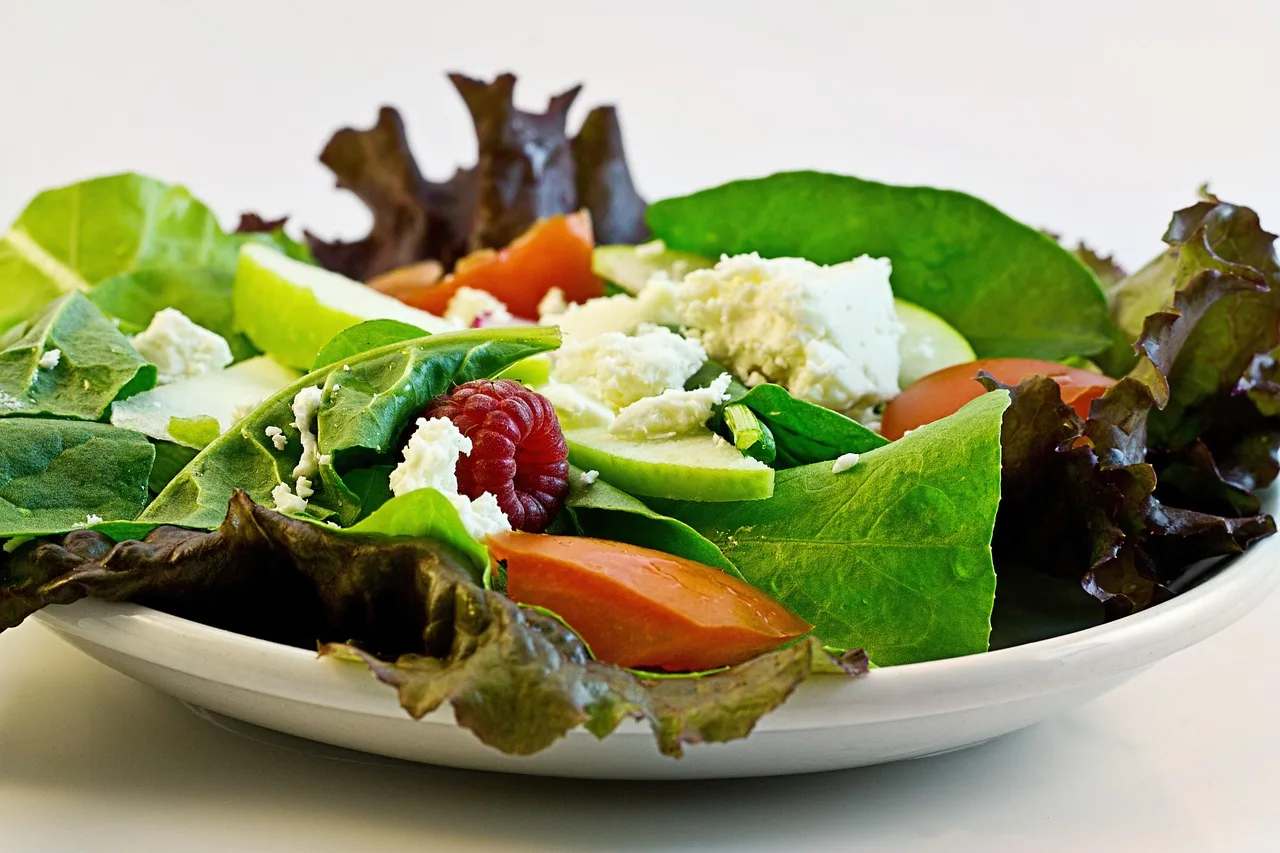
You don’t need an extreme low-carb diet. Simply shifting toward vegetables, legumes, and whole grains improves appetite control and blood sugar stability.
| Strategy | Primary Benefit | Realistic Frequency |
|---|---|---|
| Resistance training | Builds muscle, raises resting metabolism | 2–3x per week |
| Higher protein intake | Preserves muscle, curbs hunger | Every meal |
| Quality sleep | Lowers cortisol and hunger hormones | Nightly (7–9 hrs) |
| Reduce refined carbs | Stabilizes insulin, reduces storage | Daily habit |
| Daily walking | Burns fat, manages stress | Most days |
The Role of GLP-1 and GIP in Fat Loss
The key takeaway: GLP-1 and GIP are natural gut hormones that regulate appetite, blood sugar, and how full you feel after eating — supporting them can make fat loss more sustainable.
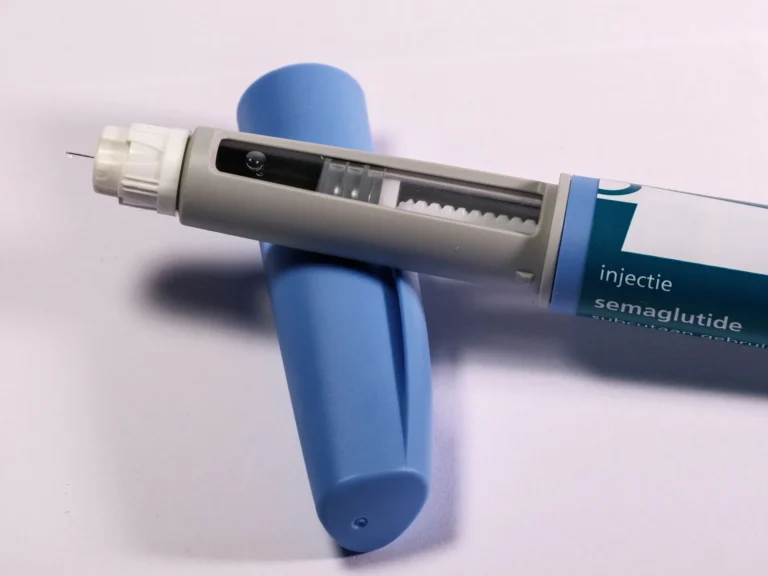
GLP-1 (glucagon-like peptide-1) slows digestion and signals fullness to the brain. GIP (glucose-dependent insulinotropic polypeptide) works alongside it to regulate how the body handles glucose and stores energy.
Prescription medications that mimic these hormones have received significant attention, but they carry considerations worth understanding. If you’re weighing options, our overview of the best GLP-1 alternative supplements and how they compare provides useful context.
Certain foods and natural compounds — including fiber, protein, and specific plant extracts — can gently support your body’s own GLP-1 and GIP response. This is a less-discussed but meaningful piece of long-term appetite regulation.
Where BurnJaro Fits Into a Natural Approach
The key takeaway: Natural supplements like BurnJaro are designed to complement — never replace — the lifestyle foundations of muscle, protein, sleep, and reduced sugar.
In our analysis of the supplement category, the products most relevant to women over 50 are those formulated around metabolic health and appetite support rather than harsh stimulants. BurnJaro positions itself in this space with a capsule formula built around GLP-1 and GIP support.
We recommend viewing any such product as one layer of a broader plan. A supplement can help with appetite control and cravings, but the muscle-building and hormone-balancing work still happens through daily habits.
For readers navigating hormonal weight changes specifically, our guide on menopause weight gain solutions and supplements that actually work pairs well with the strategies above.
Common Myths About Belly Fat After 50
The key takeaway: You cannot spot-reduce belly fat, crunches alone won’t shrink the waistline, and extreme dieting often makes things worse by burning muscle.
- Myth: Endless crunches burn belly fat. Ab exercises strengthen muscle but don’t selectively burn the fat covering it.
- Myth: You must go very low-calorie. Severe restriction sacrifices muscle, slowing metabolism further.
- Myth: Cardio is the fastest route. Cardio helps, but without resistance training you lose the muscle that keeps fat off.
- Myth: One “trick” or salt hack melts fat. Viral ideas like the Pink Salt Trick attributed to Oprah are not a substitute for the fundamentals.
For a broader natural approach, our resource on how to reduce belly fat naturally expands on these principles with practical steps.
A Realistic 4-Week Starting Framework
The key takeaway: Small, layered changes beat dramatic overhauls — add one habit per week to build a sustainable routine without burnout.
Do This
- Week 1: Add protein to breakfast
- Week 2: Start two resistance sessions
- Week 3: Set a consistent sleep window
- Week 4: Replace sugary drinks with water or tea
Avoid This
- Crash dieting for fast results
- Skipping strength training
- Relying on cardio alone
- Expecting spot reduction from ab workouts
If your goal is broader, the guide on the best way to lose weight after menopause outlines how these habits fit a longer-term plan.
Frequently Asked Questions
How long does it take to lose visceral fat after 50?
Visceral fat tends to respond faster than subcutaneous fat because it is metabolically active. With consistent resistance training, higher protein, and reduced refined carbs, many people see measurable waistline and metabolic improvements within 8 to 12 weeks. Progress is gradual and depends on starting point, sleep quality, and stress levels.
What foods burn visceral fat naturally?
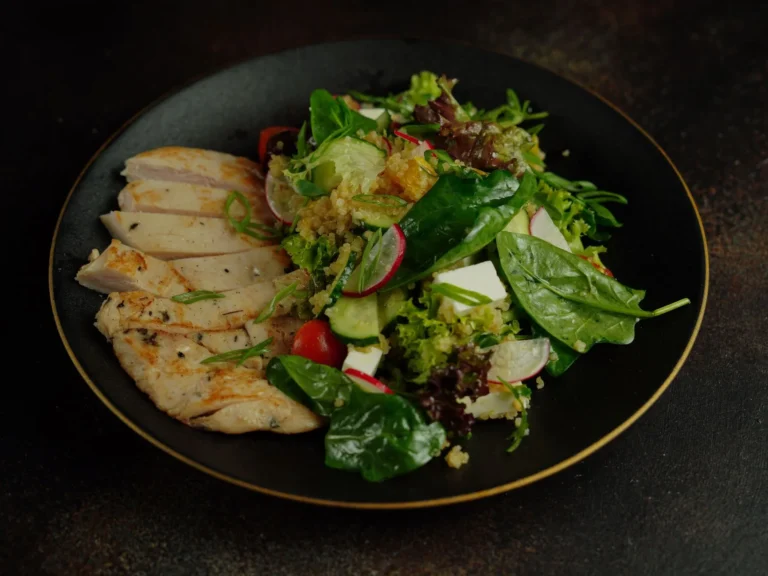
No single food burns fat, but certain foods support the process. High-protein foods (eggs, fish, poultry, legumes), fiber-rich vegetables, and healthy fats help regulate appetite and blood sugar. Reducing added sugar and refined carbohydrates matters more than adding any single “fat-burning” food.
Is walking enough to lose belly fat after 50?
Walking is excellent for managing stress, burning calories, and improving metabolic health, but on its own it usually isn’t enough to reverse age-related muscle loss. Combining daily walks with two to three resistance training sessions per week produces far better results for reducing visceral fat.
Can supplements help lose visceral fat after 50?
Natural supplements may support appetite control and metabolic function, particularly those working with GLP-1 and GIP pathways. However, they work best as a complement to resistance training, adequate protein, and quality sleep — not as a replacement. Always consult your healthcare provider before starting a new supplement, especially after 50 or during menopause.
Does menopause make it impossible to lose belly fat?
No. Menopause makes abdominal fat gain more likely due to falling estrogen and muscle loss, but it does not make fat loss impossible. Adjusting for these changes — more protein, more strength training, and better sleep — makes it entirely achievable to reduce visceral fat after menopause.
Conclusion
The key takeaway: Learning how to lose visceral fat after 50 is less about restriction and more about rebuilding muscle, balancing hormones, and supporting your metabolism with consistent daily habits.
The most effective plan combines resistance training, higher protein, quality sleep, and fewer refined carbs — with natural appetite support as an optional layer. These changes not only shrink the waistline but improve nearly every marker of long-term health.
Start with one habit this week, stay consistent, and let the metabolic changes compound over the months ahead.
If the strategies in this guide resonate with you, the natural appetite and metabolic support behind BurnJaro was designed with exactly this reader in mind — women over 50 who want to work with their hormones rather than against them. Explore how its GLP-1 and GIP support fits alongside the muscle-building and lifestyle habits covered here.