Natural GLP-1 Support: How to Boost GLP-1 Levels Without Prescription Medications
Natural GLP-1 support without prescription is possible. Learn which foods, habits, and nutrients raise GLP-1 for appetite control and healthy weight.
Natural GLP-1 support without prescription is achievable through specific foods, fiber, protein timing, gut-friendly habits, and select nutrients that prompt your body to release more of its own GLP-1 hormone. You do not need an injectable drug to influence this pathway — your intestines produce GLP-1 every time you eat, and diet composition strongly shapes how much you release.
Key Takeaways
- GLP-1 (glucagon-like peptide-1) is a natural gut hormone that slows digestion, reduces appetite, and improves blood sugar control.
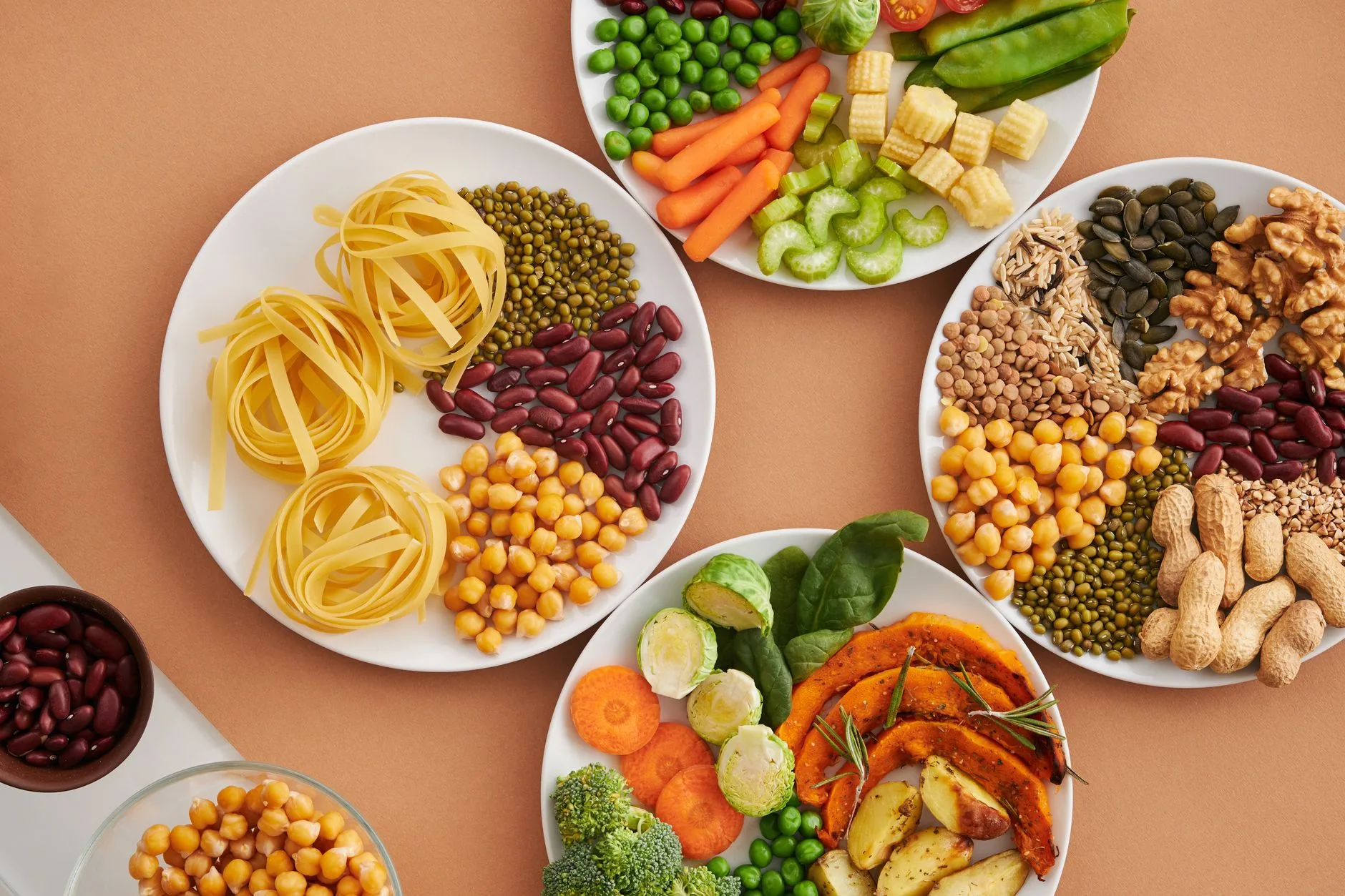
- Protein, soluble fiber, and fermented foods are the most reliable dietary triggers for endogenous GLP-1 release.
- Certain plant compounds and short-chain fatty acids from fiber fermentation stimulate GLP-1-secreting L-cells in the gut.
- Women over 50 often see slower metabolic response, making natural GLP-1 and GIP support especially relevant during and after menopause.
- No supplement replaces a prescription GLP-1 agonist, but food and lifestyle can meaningfully raise your baseline levels.
What Is GLP-1 and Why Does It Matter for Weight?
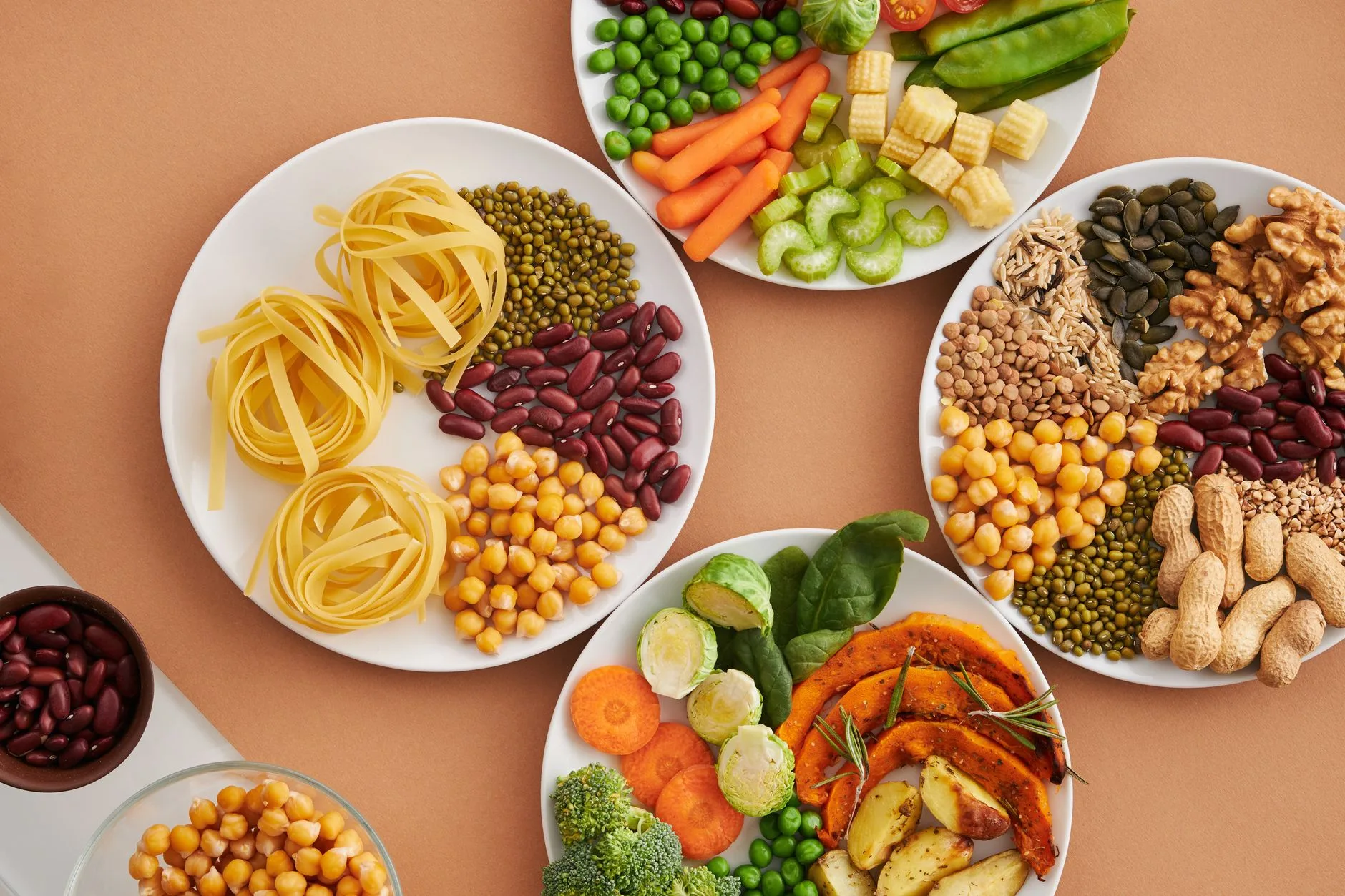
The key takeaway: GLP-1 is a hormone your intestines release after eating that tells your brain you are full and slows how fast food leaves your stomach.
GLP-1 (glucagon-like peptide-1) is produced by specialized intestinal cells called L-cells, mostly in the lower small intestine and colon. When you eat, these cells sense nutrients and secrete GLP-1 into the bloodstream within minutes.
The hormone acts on the pancreas to improve insulin response and on the brain’s appetite centers to promote satiety. According to research summarized by the National Center for Biotechnology Information, GLP-1 also slows gastric emptying, which keeps you feeling fed longer.
Prescription drugs mimic this hormone at high, sustained doses. Natural strategies instead work by encouraging your own L-cells to release more GLP-1 more often — a gentler, food-based approach to appetite control.
Can You Really Boost GLP-1 Without a Prescription?
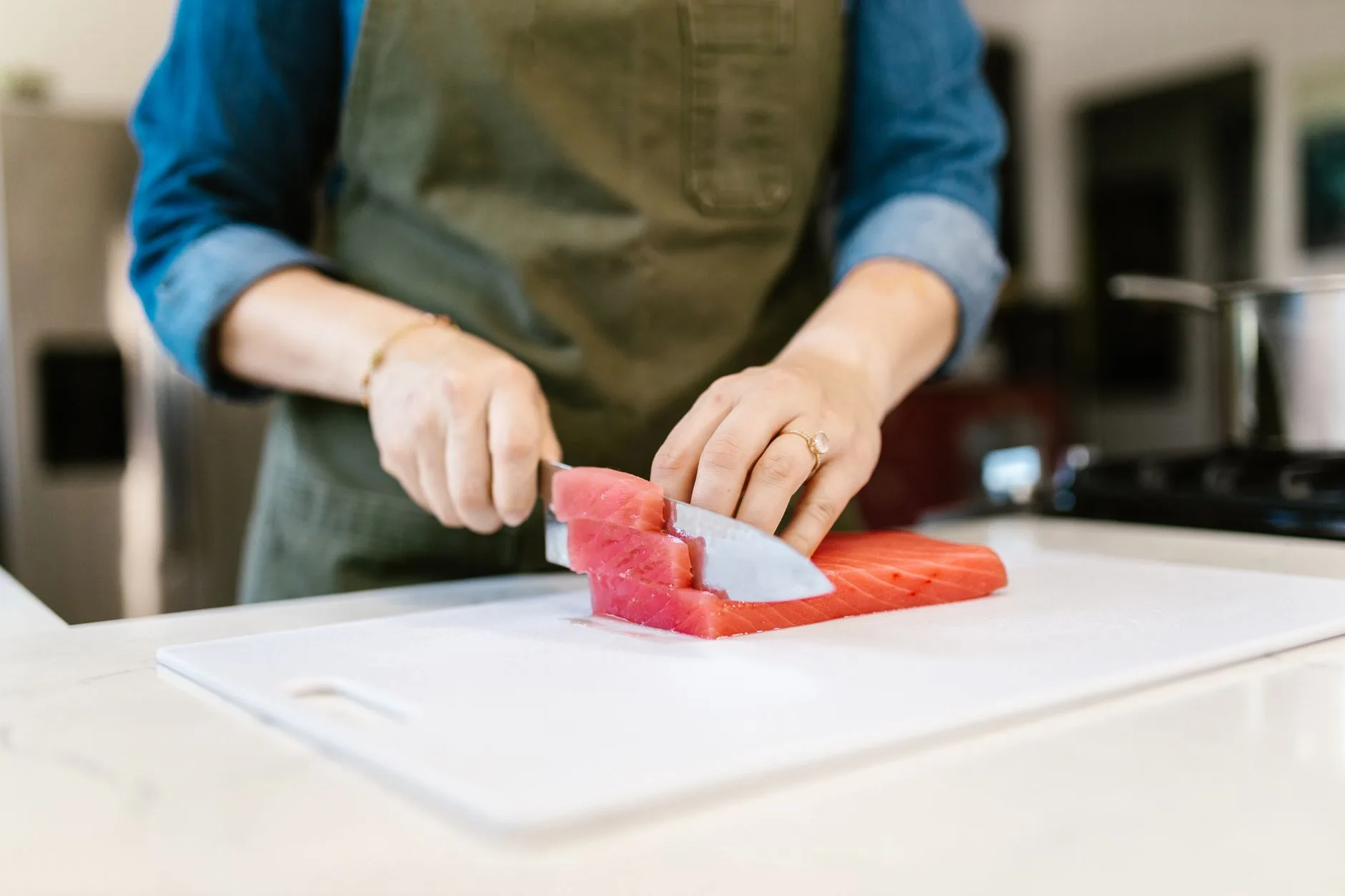
The key takeaway: Yes — your body already makes GLP-1 continuously, and diet composition is the strongest lever you control to increase it.
Every meal is an opportunity to stimulate GLP-1 release. The question is not whether you can raise it naturally, but which inputs produce the largest and longest response.
Natural GLP-1 secretion is transient — the hormone breaks down within minutes. This means frequency and consistency of the right foods matter more than any single “super meal.”
In our analysis of the available nutrition research, three factors consistently drive stronger endogenous GLP-1: protein at the start of a meal, soluble fiber that ferments in the colon, and a healthy gut microbiome that produces short-chain fatty acids.
“The molecules that our bodies make in response to food are extraordinarily powerful. GLP-1 is one of them, and what we eat directly influences how much of it we produce.”
— Dr. Casey Means, Stanford-trained physician and metabolic health author
The 6 Most Effective Natural GLP-1 Triggers
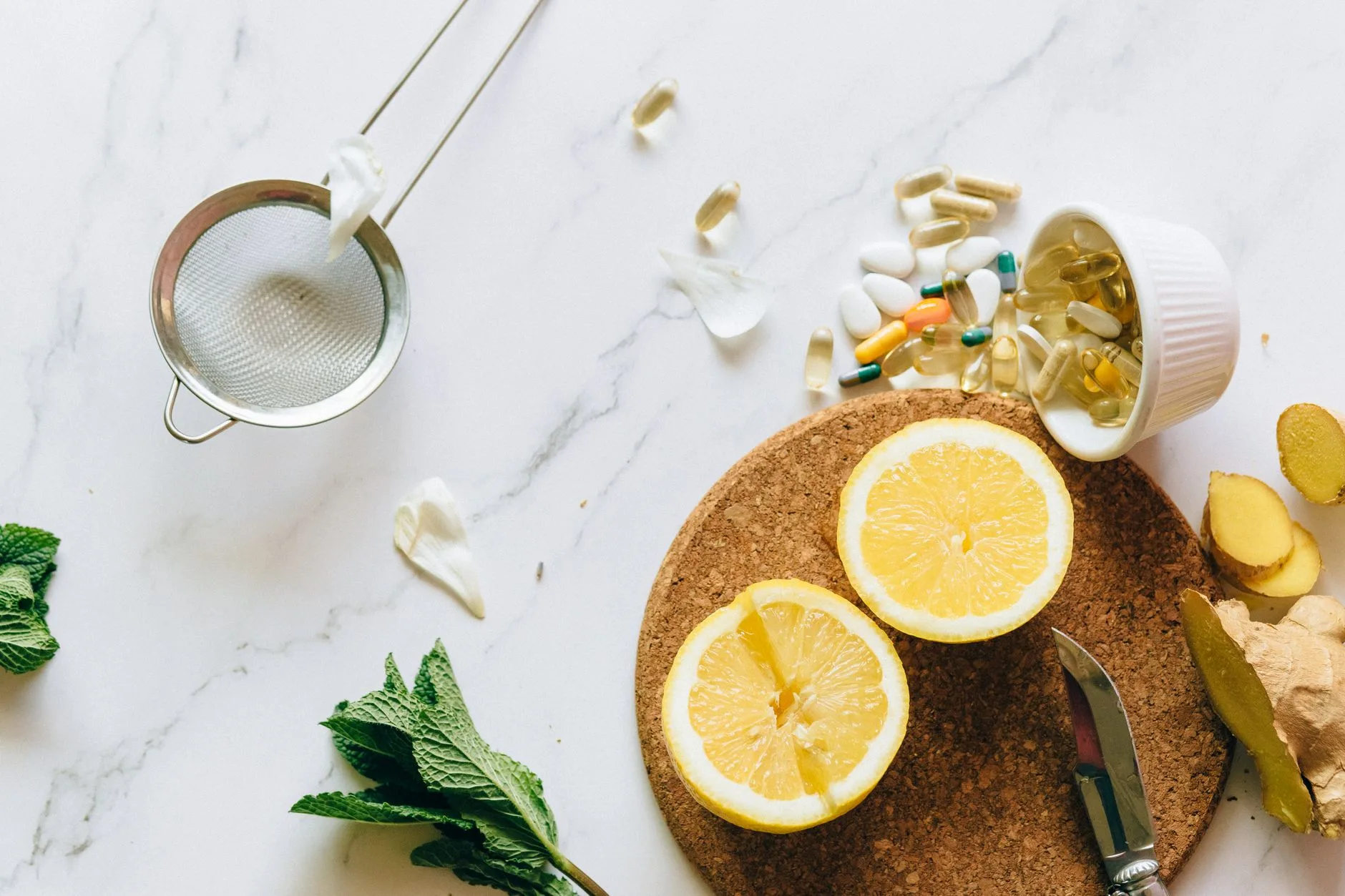
The key takeaway: Protein, soluble fiber, healthy fats, fermented foods, bitter compounds, and adequate sleep are the six evidence-backed drivers of natural GLP-1 release.
1. Protein First
Eating protein before carbohydrates triggers a stronger GLP-1 response. Whey, eggs, fish, and legumes are particularly effective because amino acids directly signal L-cells to secrete the hormone.
2. Soluble and Fermentable Fiber
This is the most underrated lever. Foods like oats, beans, chia, flax, and inulin-rich vegetables feed gut bacteria that produce short-chain fatty acids — and these fatty acids directly stimulate GLP-1 secretion hours after eating.
3. Healthy Fats (Especially Monounsaturated)
Olive oil, avocado, and nuts prompt a moderate GLP-1 rise. Research on the Mediterranean diet, referenced by Harvard Health Publishing, links this eating pattern to better appetite and metabolic markers.
4. Fermented and Probiotic Foods
Yogurt, kefir, sauerkraut, and kimchi support the gut microbiome that generates short-chain fatty acids. A more diverse microbiome tends to produce a more robust GLP-1 signal over time.
5. Bitter Plant Compounds
Bitter taste receptors line the gut, and stimulating them can trigger GLP-1 release. Compounds found in dark leafy greens, cocoa, coffee, and certain botanical extracts are being studied for this effect.
6. Quality Sleep and Movement
Poor sleep blunts hormone signaling, and resistance exercise improves insulin sensitivity that works alongside GLP-1. These lifestyle inputs amplify everything on this list.
Foods That Support GLP-1 (Comparison Table)
The key takeaway: High-protein, high-fiber, and fermented foods deliver the strongest and most sustained natural GLP-1 response.
| Food / Nutrient | Primary Mechanism | GLP-1 Impact |
|---|---|---|
| Eggs & whey protein | Amino acids signal L-cells | High, immediate |
| Oats & beans | Soluble fiber fermentation | Sustained (hours later) |
| Olive oil & avocado | Monounsaturated fats | Moderate |
| Kefir & sauerkraut | Microbiome-produced SCFAs | Cumulative over time |
| Leafy greens & cocoa | Bitter receptor activation | Emerging evidence |
| Chia & flaxseed | Viscous fiber + omega-3 | Sustained |
For readers focused on midsection changes, our companion guide on how to reduce belly fat naturally pairs well with these dietary GLP-1 strategies.
Why GLP-1 Support Matters More After 50
The key takeaway: Hormonal shifts during and after menopause slow metabolism and can reduce appetite-regulating signals, making natural GLP-1 support especially valuable for women over 50.
Falling estrogen affects fat distribution, insulin sensitivity, and hunger cues. Many women notice weight settling around the abdomen and stubborn resistance to old diet strategies.
Supporting GLP-1 and GIP naturally through food and targeted nutrients can help restore some of the satiety signaling that weakens with age. It is not a cure, but it addresses a real physiological gap.
We’ve found that women who combine protein-forward meals with fermentable fiber tend to report steadier appetite and fewer cravings. Our detailed breakdown of natural supplements for menopause weight gain and our guide on losing weight after menopause expand on this.
Natural GLP-1 Supplements: What Actually Works
The key takeaway: Supplements cannot replicate prescription drugs, but ingredients like berberine, soluble fiber, and specific botanical extracts can support your body’s own GLP-1 pathway.
The term “natural GLP-1” gets overused in marketing. No capsule floods your bloodstream with GLP-1 the way an injection does — but some ingredients do encourage your gut to secrete more of it.
Berberine, for example, has been studied for its effects on blood sugar and metabolic markers. Certain fiber blends and bitter botanicals are added to formulas specifically to nudge L-cell activity.
When evaluating any product, look for transparency, clinically studied ingredients, and realistic claims. A useful reference point is our editorial comparison of the best GLP-1 alternative supplements.
Health disclaimer: This article is educational and not medical advice. Natural approaches do not replace prescribed treatment. If you take medication or have a medical condition, consult a qualified healthcare provider before making dietary or supplement changes. Some research, such as this Nature study on GLP-1 receptor agonist therapy risks, underscores why professional guidance matters.
The “Pink Salt Trick” and Viral Weight Claims — A Reality Check
The key takeaway: Trends like the “Pink Salt Trick” popularized online do not raise GLP-1 and should not be confused with evidence-based strategies.
Viral phrases such as the Pink Salt Trick and “Pink Salt by Oprah” circulate widely, but pink salt is simply sodium chloride with trace minerals. It has no proven effect on the GLP-1 hormone or on fat loss.
Here is a piece of information often missing from other articles: the timing and sequence of your meal may matter as much as the ingredients. Studies on “food order” show that eating vegetables and protein before starches produces a measurably larger GLP-1 and lower glucose response than eating the same meal in reverse order. This costs nothing and requires no special product — a genuine, underused lever.
Be skeptical of any single-ingredient “trick.” Sustainable GLP-1 support comes from consistent dietary patterns, not shortcuts.
Frequently Asked Questions
What is the best way to naturally increase GLP-1?
The most effective approach is combining protein at the start of meals with soluble, fermentable fiber like oats, beans, and chia. The fiber feeds gut bacteria that produce short-chain fatty acids, which trigger sustained GLP-1 release for hours after eating.
How does natural GLP-1 support work without a prescription?
Your intestines contain L-cells that release GLP-1 whenever they detect nutrients. By eating foods that strongly stimulate these cells — protein, fiber, healthy fats, and fermented foods — you increase your own hormone production without any drug.
Are there supplements that support GLP-1 naturally?
Yes, certain ingredients such as berberine, viscous fiber blends, and bitter botanical extracts may encourage GLP-1 secretion. They do not match prescription potency but can support the pathway as part of a broader healthy-eating plan.
Does the Pink Salt Trick raise GLP-1?
No. Pink salt is sodium chloride with trace minerals and has no evidence of raising GLP-1 or promoting fat loss. It is a viral trend, not a science-backed method.
Why is GLP-1 support important for women over 50?
Menopause lowers estrogen, which slows metabolism and can weaken appetite-regulating signals. Supporting GLP-1 and GIP naturally through diet and targeted nutrients helps address this age-related gap in satiety and blood sugar control.
Conclusion
The key takeaway: Natural GLP-1 support without prescription medications is realistic when you consistently prioritize protein, fermentable fiber, healthy fats, and gut health.
You cannot replicate an injectable drug with food, but you can meaningfully raise your own GLP-1 baseline. For women over 50 facing a slower metabolism, these strategies address the exact hormonal shifts that make weight management harder.
The most powerful moves are also the simplest: eat protein and vegetables first, feed your gut with fiber and fermented foods, and treat viral “tricks” with healthy skepticism.
If you want a structured way to act on these principles, BurnJaro was formulated around natural GLP-1 and GIP support for healthy metabolism — with women over 50 specifically in mind. It brings together the food-inspired mechanisms discussed in this guide into a single daily capsule designed for gentle, sustainable weight management.