What is the best way to lose weight after menopause?
The best way to lose weight after menopause combines strength training, protein-rich eating, and hormone-smart habits. Learn the science-backed strategy.
The best way to lose weight after menopause is to pair progressive strength training with a higher-protein diet, prioritize sleep and stress control, and support a slowing metabolism through consistent daily movement. After menopause, declining estrogen shifts fat storage toward the abdomen and reduces muscle mass, so the strategies that worked in your 30s rarely deliver the same results — a targeted, hormone-aware approach is what actually moves the scale.
Key Takeaways
- Muscle is the priority: Resistance training 2–4 times weekly protects metabolism more than cardio alone.
- Protein comes first: Aim for 1.2–1.6 g of protein per kg of body weight to preserve lean mass and control appetite.
- Sleep and cortisol matter: Poor sleep and chronic stress directly drive abdominal fat gain after menopause.
- Slow and steady wins: A modest deficit of 300–500 calories protects muscle better than aggressive dieting.
- Appetite support helps: Natural approaches that steady appetite balance — including GLP-1 and GIP-inspired nutrition — can make consistency easier.
Why Weight Gain Happens After Menopause
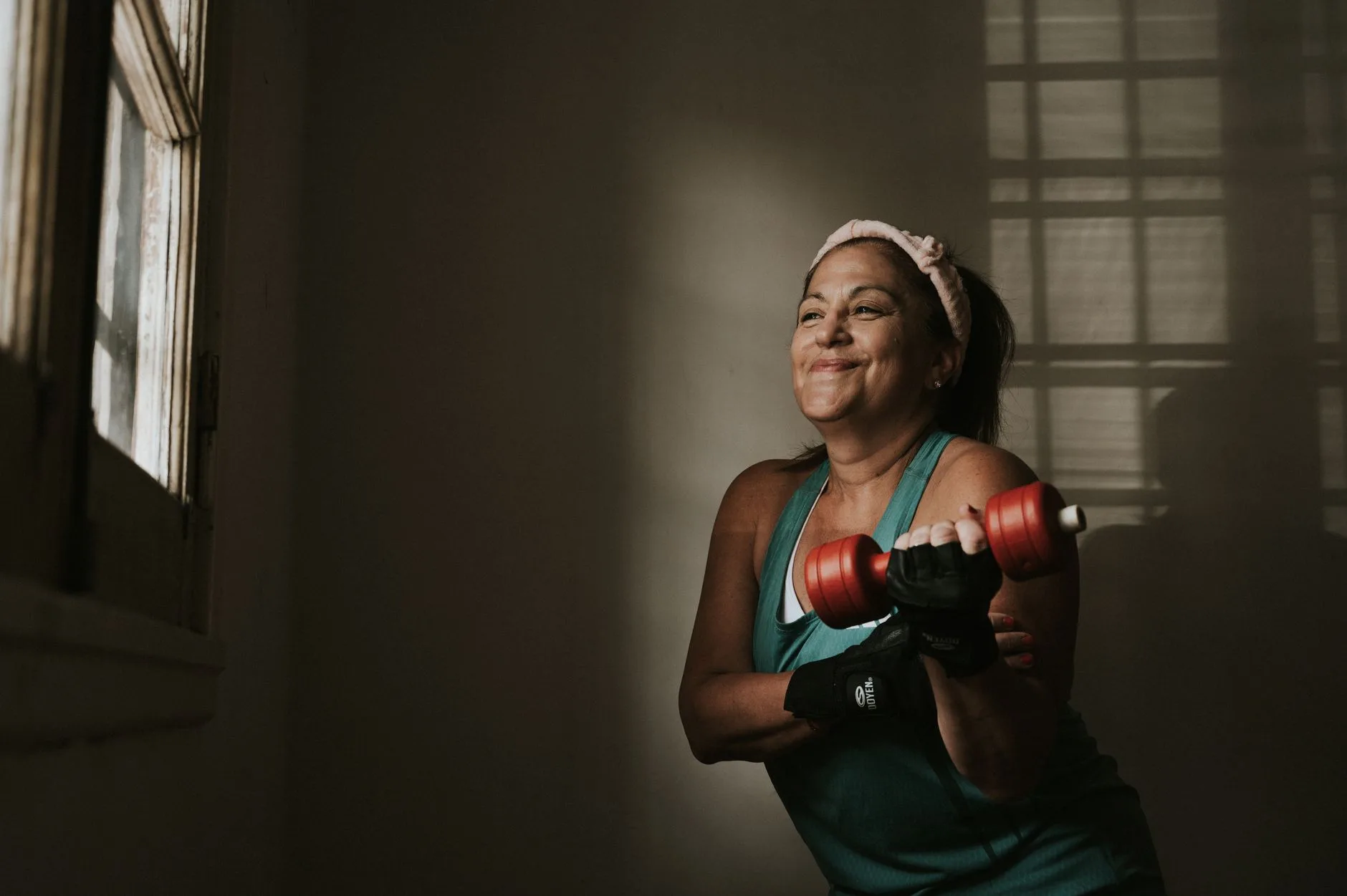
The key takeaway: Menopausal weight gain is driven by falling estrogen, natural muscle loss, and a slower resting metabolism — not by a lack of willpower. Understanding the biology changes how you approach fat loss.
During and after menopause, estrogen levels drop sharply, which shifts where the body stores fat — moving it from the hips and thighs toward the midsection. This visceral fat is more metabolically active and carries greater health risk.
At the same time, women lose roughly 3–8% of muscle mass per decade after age 30, a process called sarcopenia. Because muscle burns more calories at rest, less muscle means a lower daily calorie burn even before diet changes.
Research from the National Heart, Lung, and Blood Institute confirms that the average midlife woman gains about 1.5 pounds per year during the menopausal transition, largely independent of diet. This is why generic advice often fails and a targeted plan is needed.
The Foundation: Strength Training Over Cardio
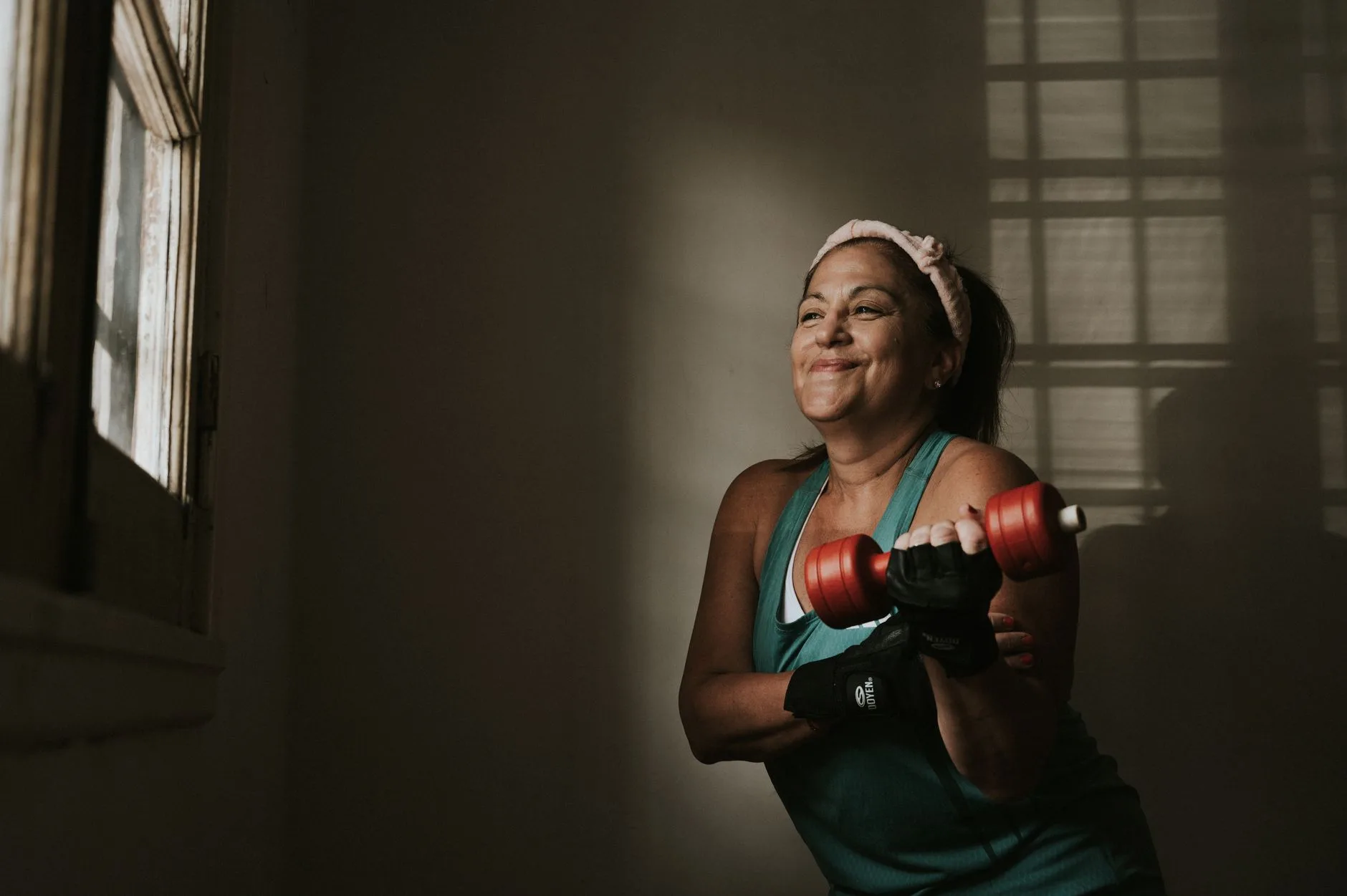
The key takeaway: Building and preserving muscle is the single most effective lever for losing weight after menopause, because muscle rebuilds the metabolic engine that estrogen decline weakens.
Cardio burns calories during the session, but it does little to counter age-related muscle loss. Resistance training does both — it burns energy and increases lean tissue that raises your baseline calorie burn.
We recommend starting with two to three full-body sessions per week using compound movements: squats, hinges, presses, and rows. These recruit the most muscle in the least time, which matters for women balancing busy schedules.
A landmark review in the Journal of Applied Physiology (PubMed) found resistance training significantly improved body composition in postmenopausal women even without large scale changes. The takeaway: the mirror and your metabolism change before the number does.
“The biggest mistake women make in perimenopause and menopause is doing too much cardio and not enough resistance training. Muscle is the organ of longevity.”
— Dr. Gabrielle Lyon, Physician and Founder of the Institute for Muscle-Centric Medicine
How to structure your week
- 2–3 strength sessions: Full-body, progressively heavier over time.
- 7,000–9,000 daily steps: Non-exercise movement burns substantial calories.
- 1–2 short interval sessions: Optional, for cardiovascular health — not the main driver.
- 2 rest or recovery days: Recovery protects hormones and prevents cortisol spikes.
Nutrition: Protein First, Then Fiber and Fats
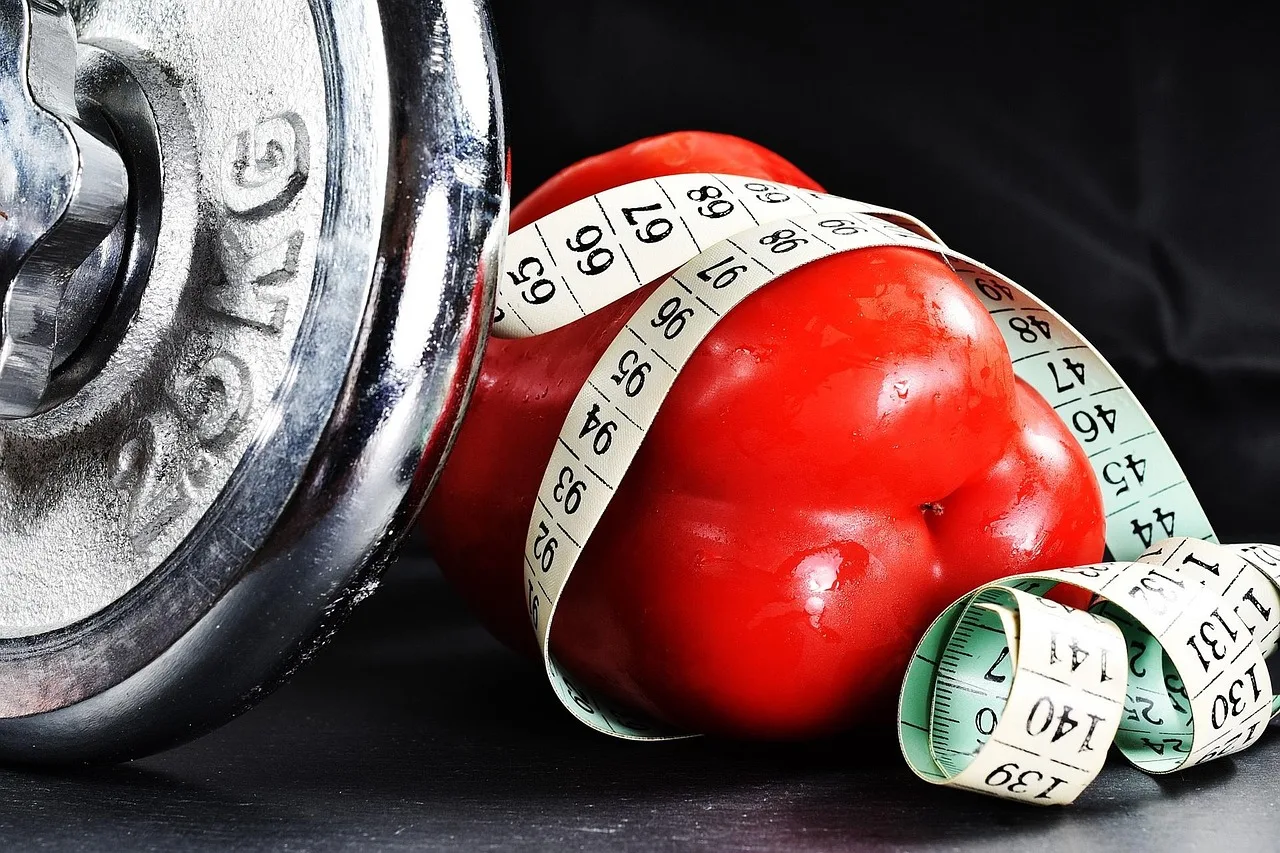
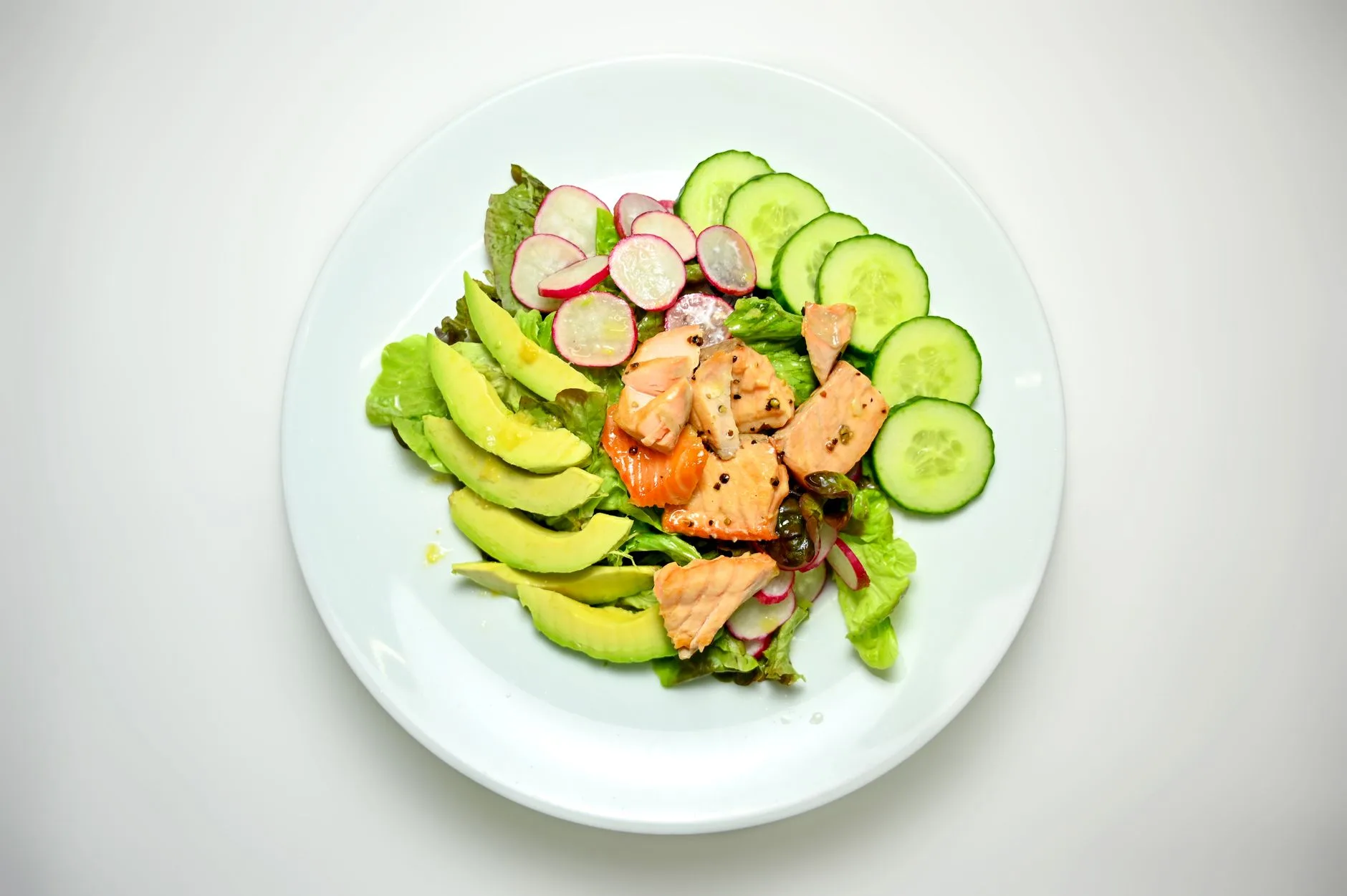
The key takeaway: A protein-forward diet paired with fiber controls appetite, preserves muscle, and steadies blood sugar — the three factors that make fat loss sustainable after 50.
Protein has the highest thermic effect of any macronutrient, meaning your body burns more calories digesting it. It also blunts hunger, which naturally supports appetite balance without extreme restriction.
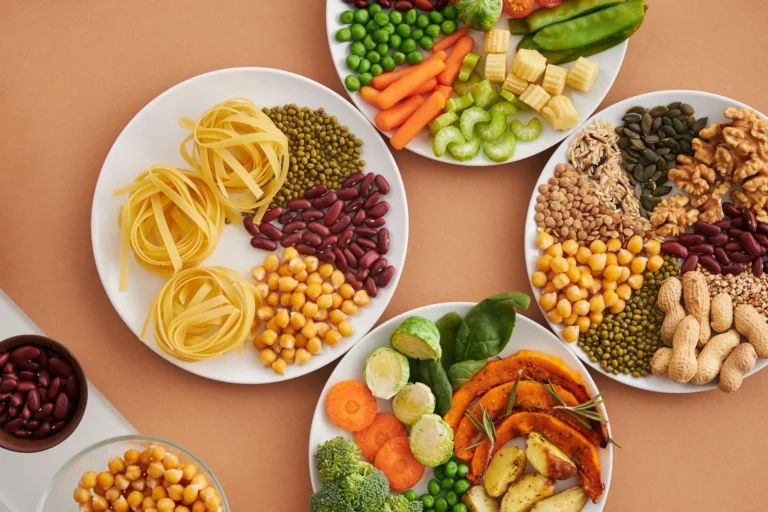
Fiber from vegetables, legumes, and whole grains feeds gut bacteria that influence metabolism and satiety. Healthy fats from olive oil, nuts, and fatty fish support hormone production during this transition.
In our analysis of what works for women over 50, the most reliable pattern is not a rigid “diet” but a consistent framework: protein at every meal, fiber-rich plants filling half the plate, and refined carbohydrates minimized. This approach naturally reduces calories without the deprivation that triggers rebound eating.
| Meal Component | Target per Meal | Why It Matters After Menopause |
|---|---|---|
| Protein | 25–35 g | Preserves muscle, curbs appetite, high thermic effect |
| Fiber | 8–12 g | Supports gut health and steady blood sugar |
| Healthy fats | 1–2 servings | Aids hormone balance and satiety |
| Refined carbs | Minimize | Reduces insulin spikes and belly fat storage |
The Hormone-Metabolism Connection: GLP-1 and GIP
The key takeaway: Two natural gut hormones — GLP-1 and GIP — regulate appetite and blood sugar, and supporting them through food and lifestyle can make weight loss after menopause noticeably easier.
GLP-1 (glucagon-like peptide-1) signals fullness to the brain and slows how fast the stomach empties, so you feel satisfied longer. GIP (glucose-dependent insulinotropic polypeptide) works alongside it to manage how the body processes and stores energy.
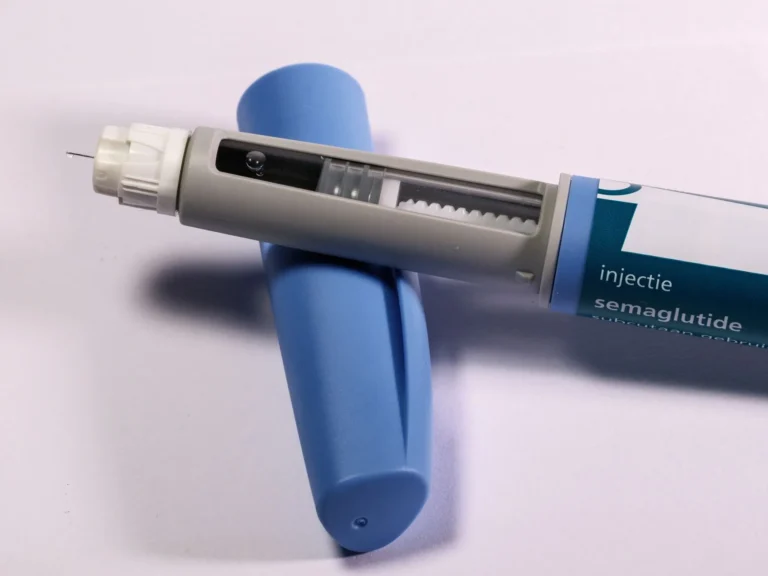
These are the same pathways targeted by prescription weight-loss medications, but they are also influenced naturally by protein intake, fiber, and certain plant compounds. This is where natural metabolic support becomes a practical tool rather than a shortcut.
Metabolic health advocate Dr. Casey Means has drawn wide attention to how blood-sugar stability and metabolic function underpin sustainable weight management — a message that resonates strongly for women navigating menopause. For a deeper comparison of options, our overview of the best GLP-1 alternative supplements breaks down what to look for.
Where a supplement fits in
For women who struggle most with hunger and cravings, a weight loss supplement designed around these hormone pathways can bridge the gap between good intentions and consistent execution. Brands like BurnJaro formulate capsules with ingredients inspired by GLP-1 and GIP signaling, developed specifically for women over 50.
We view these tools as supportive rather than central — they work best layered on top of strength training and a protein-first diet, not instead of them. If you want the full breakdown of what actually helps, our guide to natural supplements for menopause weight gain is a useful next read.
Sleep, Stress, and the Cortisol Factor (Information Gain)
The key takeaway: Chronically poor sleep and elevated stress can quietly undo a perfect diet by raising cortisol, which drives abdominal fat storage — making recovery as important as any workout.
Here is the insight most weight-loss advice skips: after menopause, women often experience fragmented sleep from night sweats and hot flashes, and this sleep loss directly increases hunger hormones the next day. In practical terms, a bad night can add 300+ unwanted calories through cravings alone.
Cortisol, the stress hormone, encourages the body to store fat around the midsection — precisely where menopausal women already gain weight. This means managing stress is not a wellness luxury; it is a fat-loss strategy.
Our practical recommendation, refined from working with midlife readers, is to treat sleep as a non-negotiable pillar: a consistent bedtime, a cool dark room, and reduced evening screen exposure often produce faster visible results than adding another workout. According to the Sleep Foundation, up to 60% of postmenopausal women report sleep disturbances — a factor too large to ignore in any weight plan.
What About the “Pink Salt Trick” and Celebrity Methods?
The key takeaway: Viral shortcuts like the “Pink Salt Trick” and celebrity-endorsed regimens lack strong evidence for fat loss and should be viewed with healthy skepticism.
The Pink Salt Trick — mixing Himalayan salt into water — has circulated widely online, often with claims tied to figures like Oprah. While staying hydrated and maintaining electrolytes supports overall health, there is no credible evidence that pink salt itself burns fat or resets metabolism.
We caution readers to separate genuine metabolic strategies from marketing folklore. Sustainable results after menopause come from muscle, protein, sleep, and steady habits — not from single ingredients or one-time tricks.
Health note: This article is educational and not medical advice. Menopause affects each woman differently, and conditions like thyroid disorders or insulin resistance can impact weight. Consult a qualified healthcare provider before starting a new diet, exercise, or supplement program.
Frequently Asked Questions
What is the fastest way to lose belly fat after menopause?
There is no true shortcut, but the fastest sustainable approach combines strength training two to three times weekly with a protein-rich, lower-refined-carb diet and improved sleep. Belly fat responds specifically to lower cortisol and stable blood sugar, so managing stress and sleep accelerates visible waistline results more than extreme calorie cutting.
How many calories should a menopausal woman eat to lose weight?
Most women over 50 lose weight steadily on a modest deficit of roughly 300–500 calories below maintenance, which typically lands between 1,400 and 1,800 calories depending on activity and body size. Aggressive deficits below 1,200 calories often backfire by accelerating muscle loss and slowing metabolism further.
Do GLP-1 supplements really help with menopause weight loss?
Supplements inspired by GLP-1 and GIP pathways can support appetite balance and blood-sugar stability, which makes it easier to maintain a calorie deficit. They are not a replacement for diet and exercise, but for women who struggle with cravings, they can be a meaningful support tool when combined with strength training and adequate protein.
Why is it so much harder to lose weight after 50?
Falling estrogen, natural muscle loss, and a resting metabolism that slows by about 200 calories per day all combine to make fat loss harder after 50. The body also stores more fat around the abdomen during this stage, which requires a hormone-aware strategy rather than the calorie-only approaches that worked earlier in life.
Is cardio or weightlifting better for menopause weight loss?
Weightlifting is more effective for long-term weight loss after menopause because it preserves and builds the muscle that keeps metabolism elevated. Cardio still benefits heart health, but resistance training addresses the root cause of menopausal weight gain — muscle loss — which cardio alone cannot fix.
Conclusion
The best way to lose weight after menopause is not a single trick but a coordinated strategy: build muscle through strength training, eat protein first, protect your sleep, manage stress, and support your metabolism naturally. Because estrogen decline reshapes how your body stores fat, working with your physiology — rather than against it — is what produces lasting results.
Start with the pillars that move the needle most: two to three resistance sessions weekly, adequate protein at every meal, and consistent sleep. Layer additional support, including hormone-smart nutrition and appetite tools, on top of that foundation.
If you’ve decided that supporting your metabolism and appetite is the logical next step after strengthening your diet and training habits, it’s worth understanding how targeted formulas work. BurnJaro develops natural capsules inspired by GLP-1 and GIP pathways, created specifically for women over 50 and backed by a 60-day money-back guarantee. Explore how it fits into the hormone-aware strategy outlined in this guide.